
The tasting guide
Which honey to choose?
For a first time, White Honey: the gentlest, the one that melts.
Free Mondial Relay delivery · France, Belgium and Luxembourg
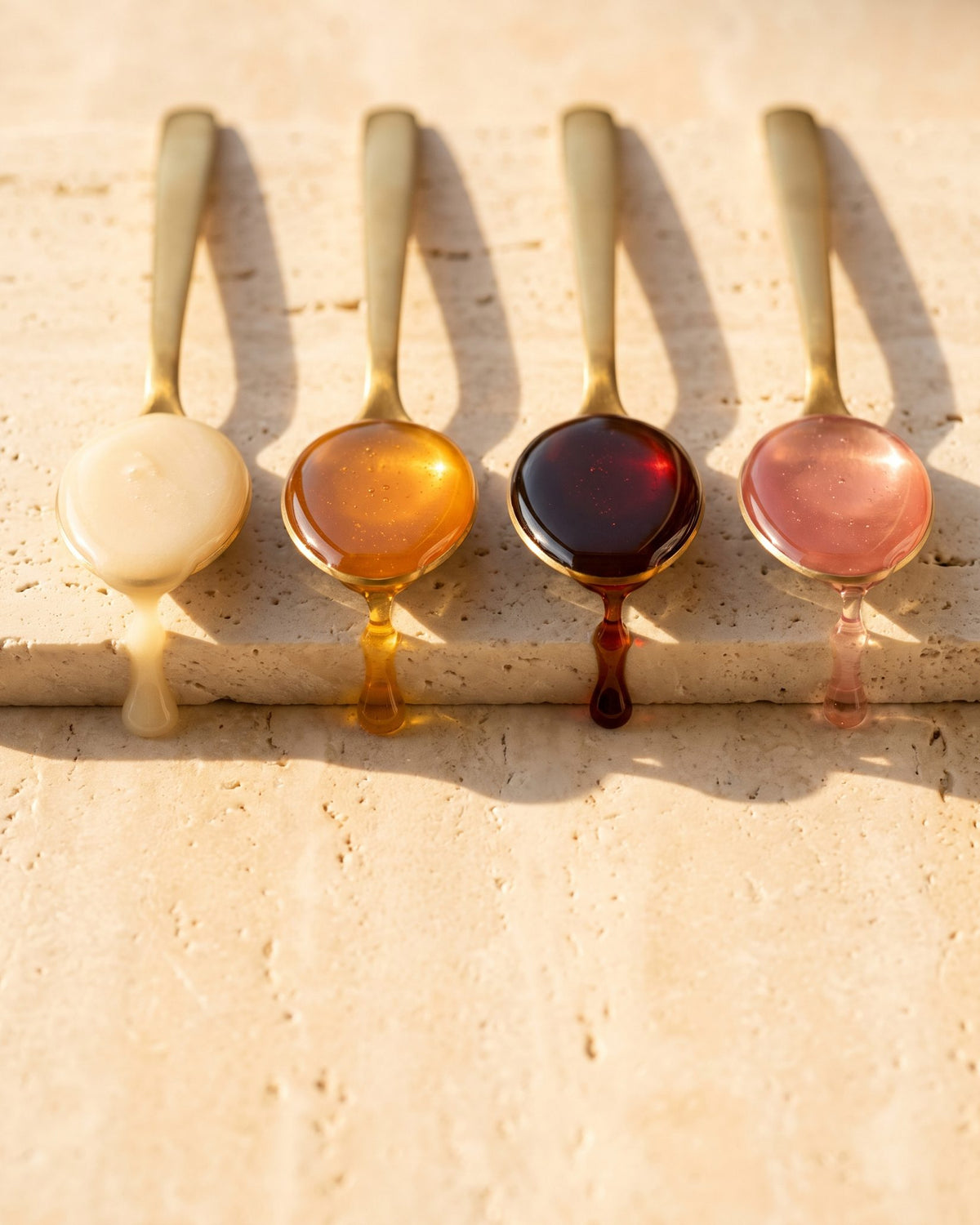
The answer, in four spoonfuls.
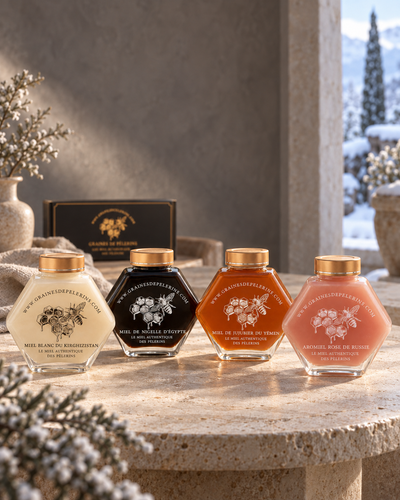
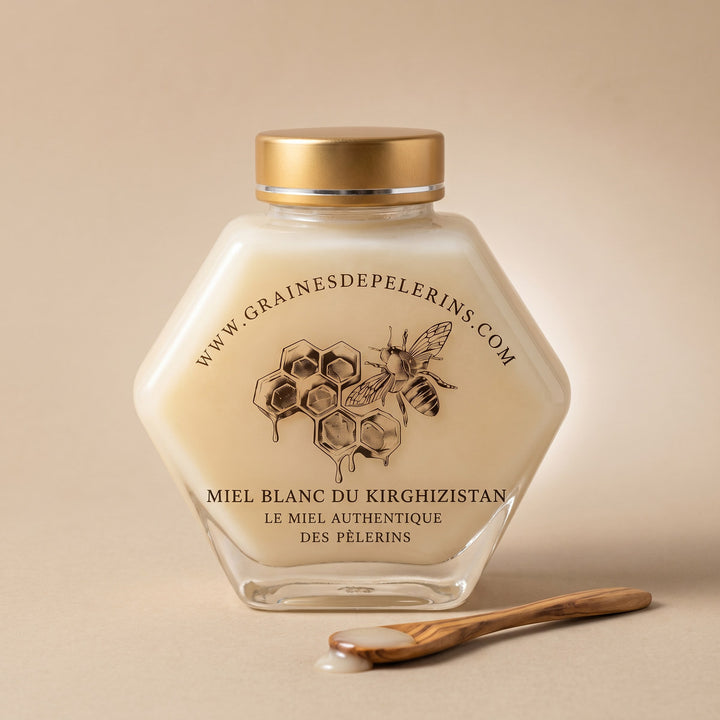
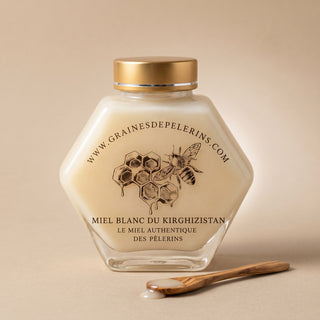
Soft and creamy: White Honey from Kyrgyzstan. An ivory cream, floral, almost milky, with no bitterness. The gentlest of the four, the one to start with.
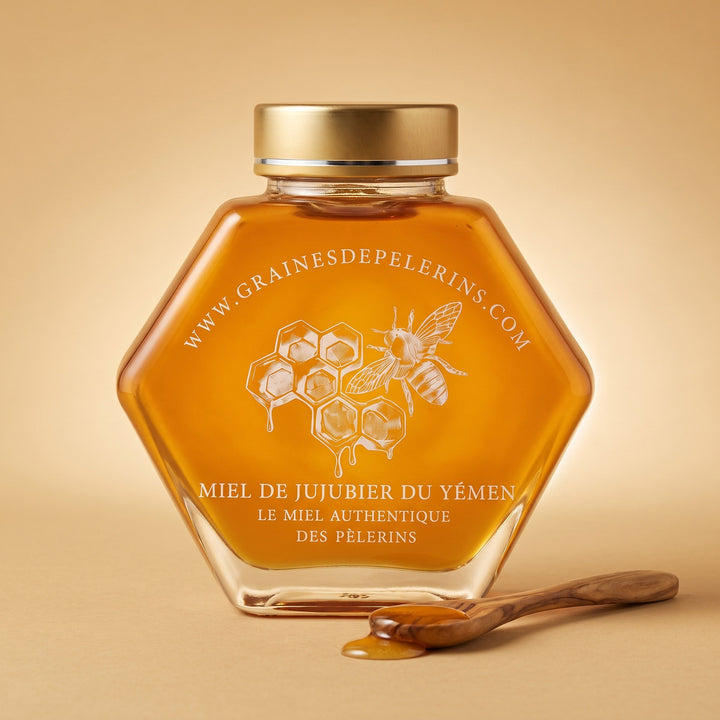
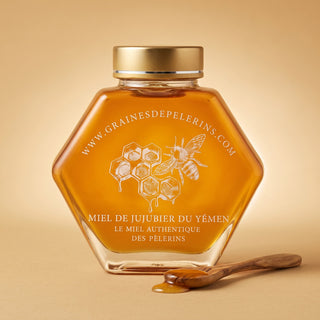
Amber and deep: Jujubier Honey from Yemen. Caramel first, then a woody warmth that lingers. A single harvest a year, in autumn.
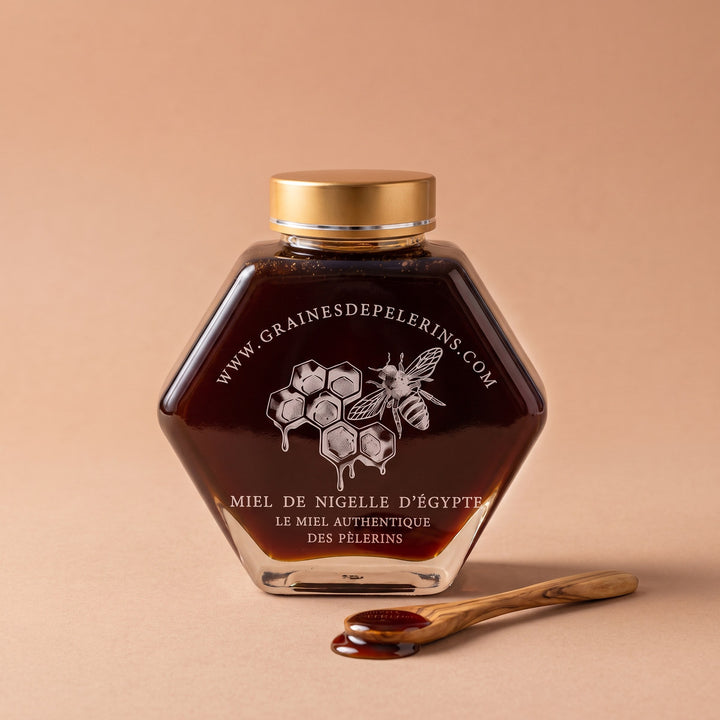
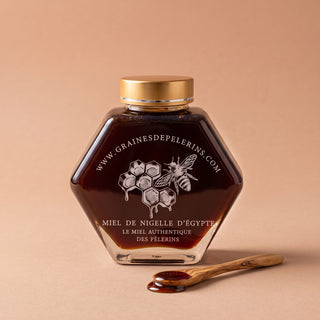
Dense and peppery: Egyptian Black Seed Honey. Mahogany brown, a deep sweetness, then a peppery edge that lingers. The pepper comes from the flower.
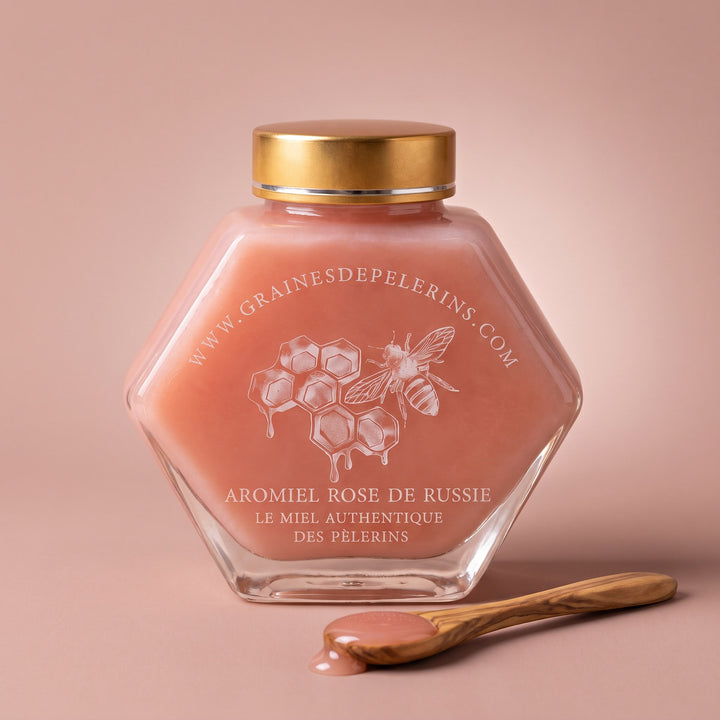
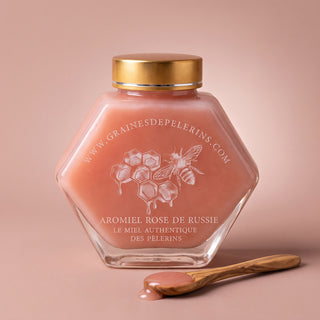
Floral and fruity: Rose Aromiel. A pink cream, tender and fruity: acacia honey and the fruit of the wild rose, worked cold.
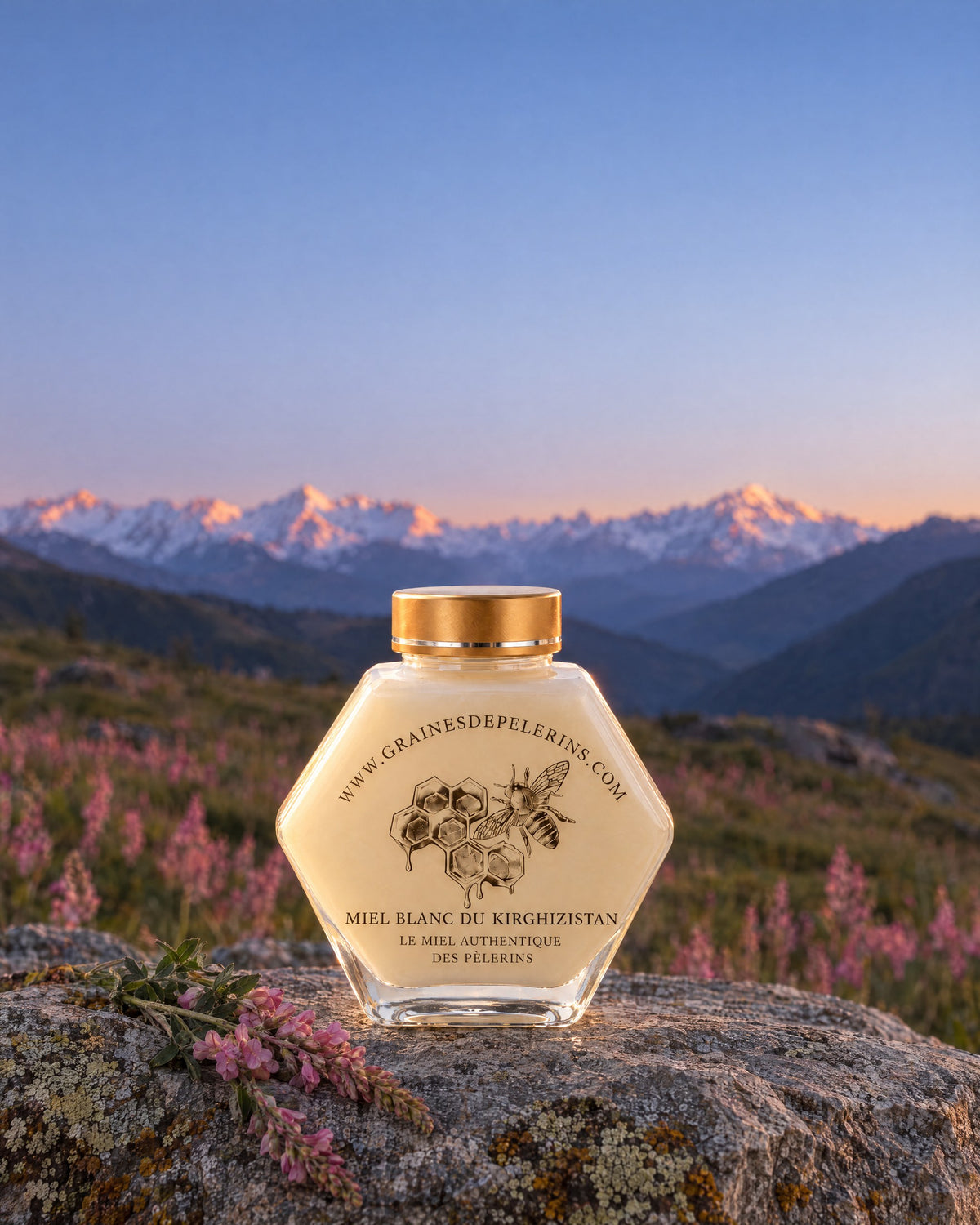
Soft and creamy
A pink flower, a white honey.
The high valleys of the Tian Shan, a few weeks of summer a year.
White Honey from Kyrgyzstan
- On the palate: it stands on the spoon, then melts, floral and almost milky.
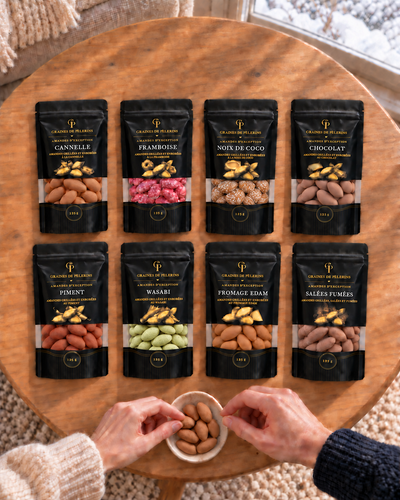
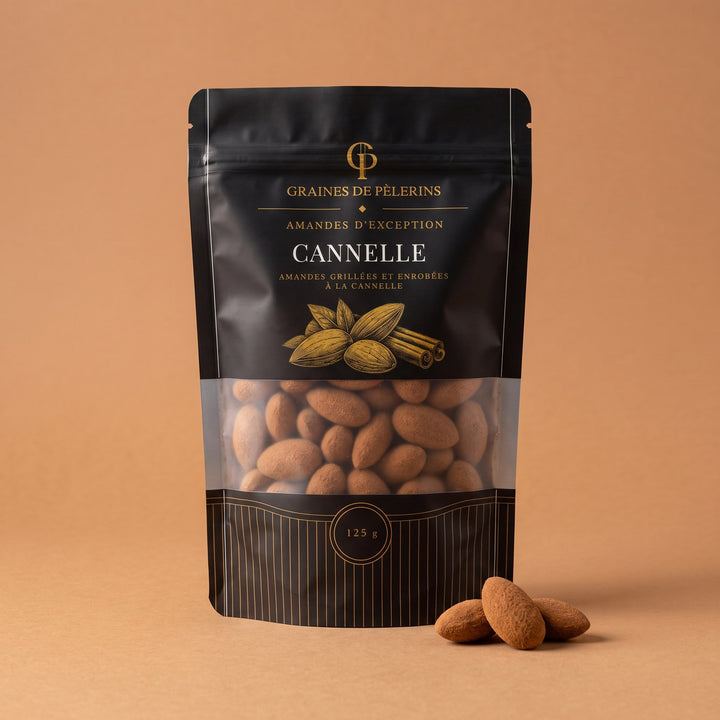
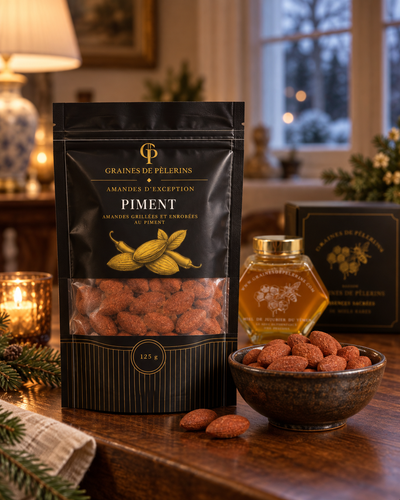
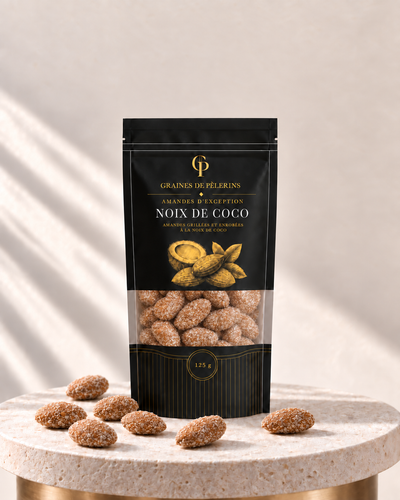
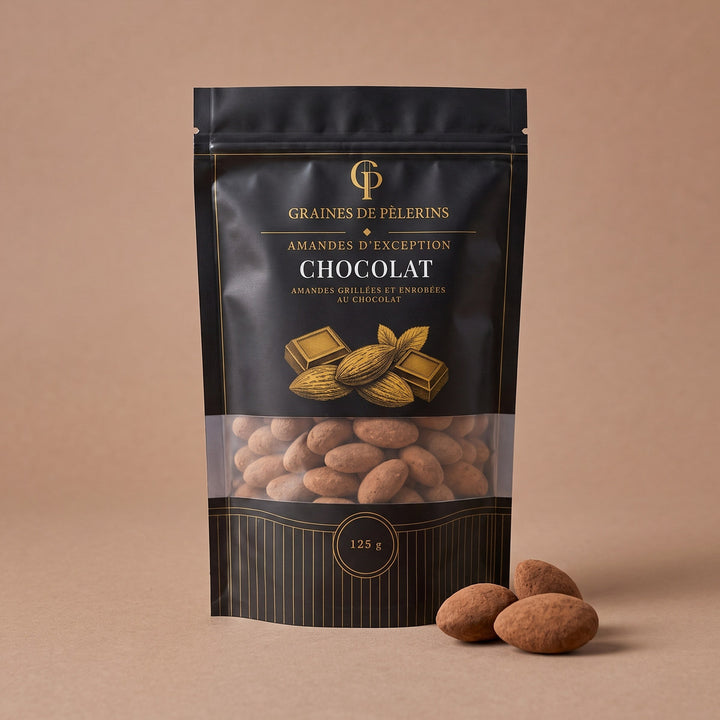
- At the table: from the spoon, just as it is; with a coconut almond, the House pairing.

Amber and deep
An autumn harvest, once a year.
Wadi Do’an, in Hadramawt, when the jujube tree, the sidr, blooms.
Jujubier Honey from Yemen
- On the palate: caramel opens, a woody warmth takes over, the finish goes on and on.
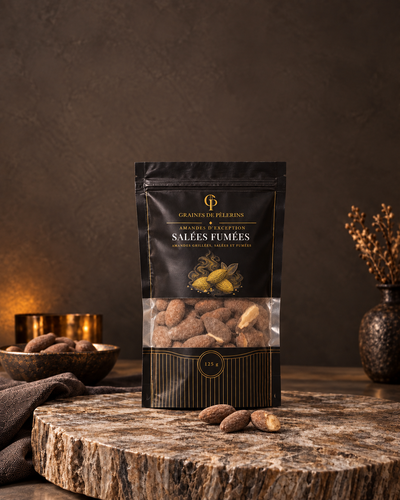
- At the table: not for spreading, for savouring, at room temperature; with a salt and smoke almond.

Dense and peppery
Not cumin, not pepper: a flower.
The Nile Delta, when nigella, habba sawda, blooms pale blue.
Egyptian Black Seed Honey
- On the palate: dense, dark, a peppery edge that surprises from the very first spoonful.
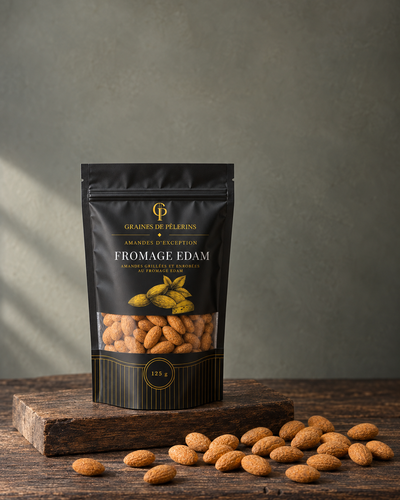
- At the table: with a mature cheese, a black tea, or an Edam cheese almond.
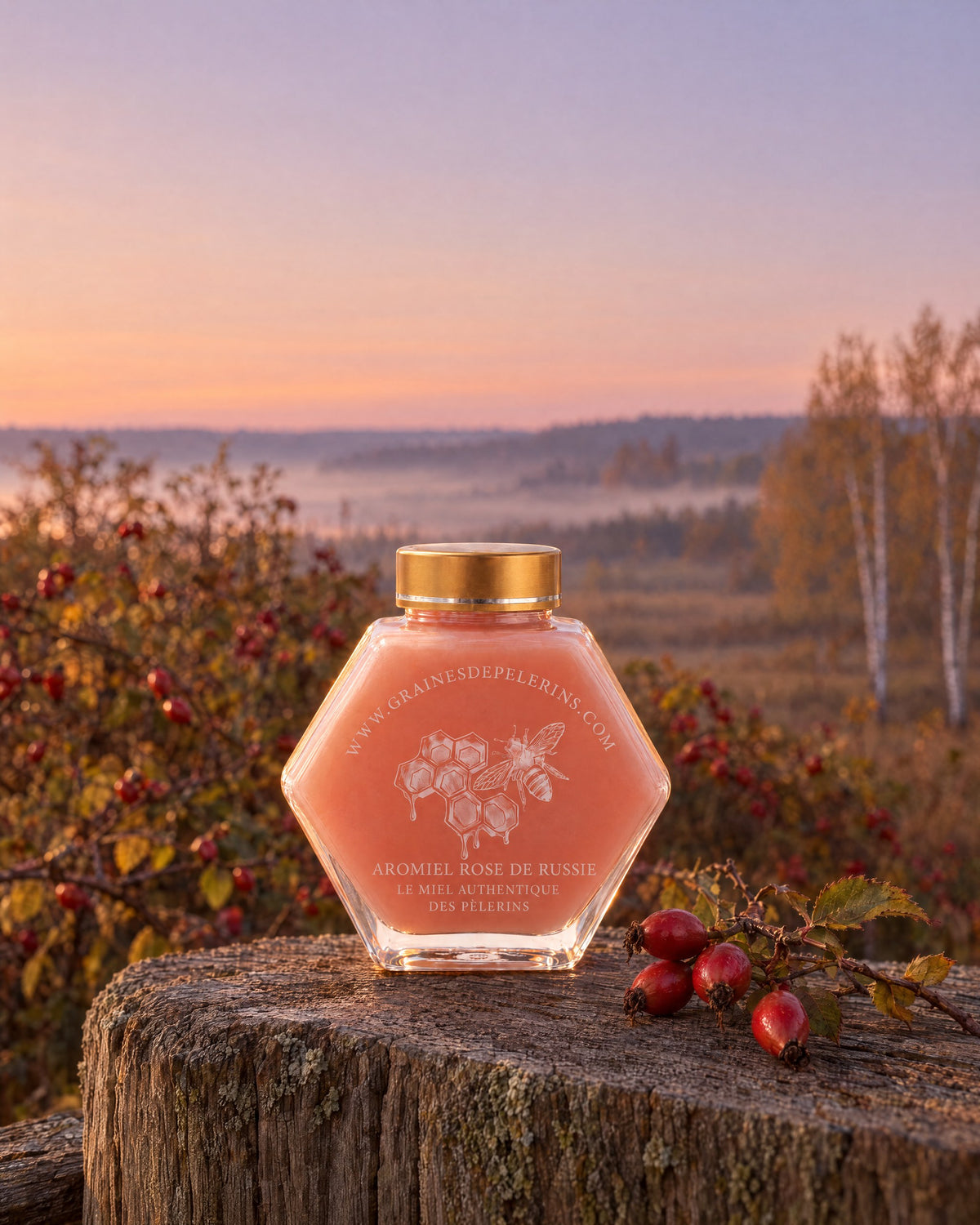
Floral and fruity
The fruit of the wild rose, worked cold.
A Russian beekeeping tradition: acacia honey and rosehip.
Rose Aromiel from Russia
Acacia honey preparation with rosehip extract
- On the palate: a pink cream, tender and fruity, that intrigues from the first spoonful.
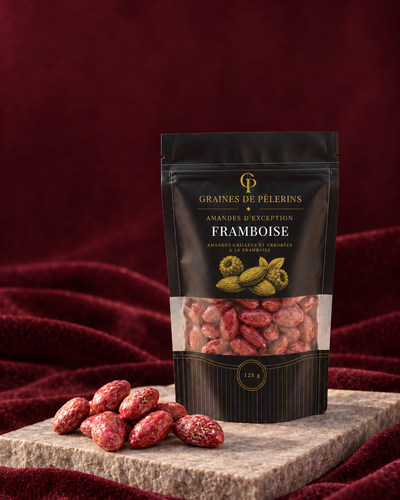
- At the table: on toast, in a yoghurt, next to a tea; or with a raspberry almond.
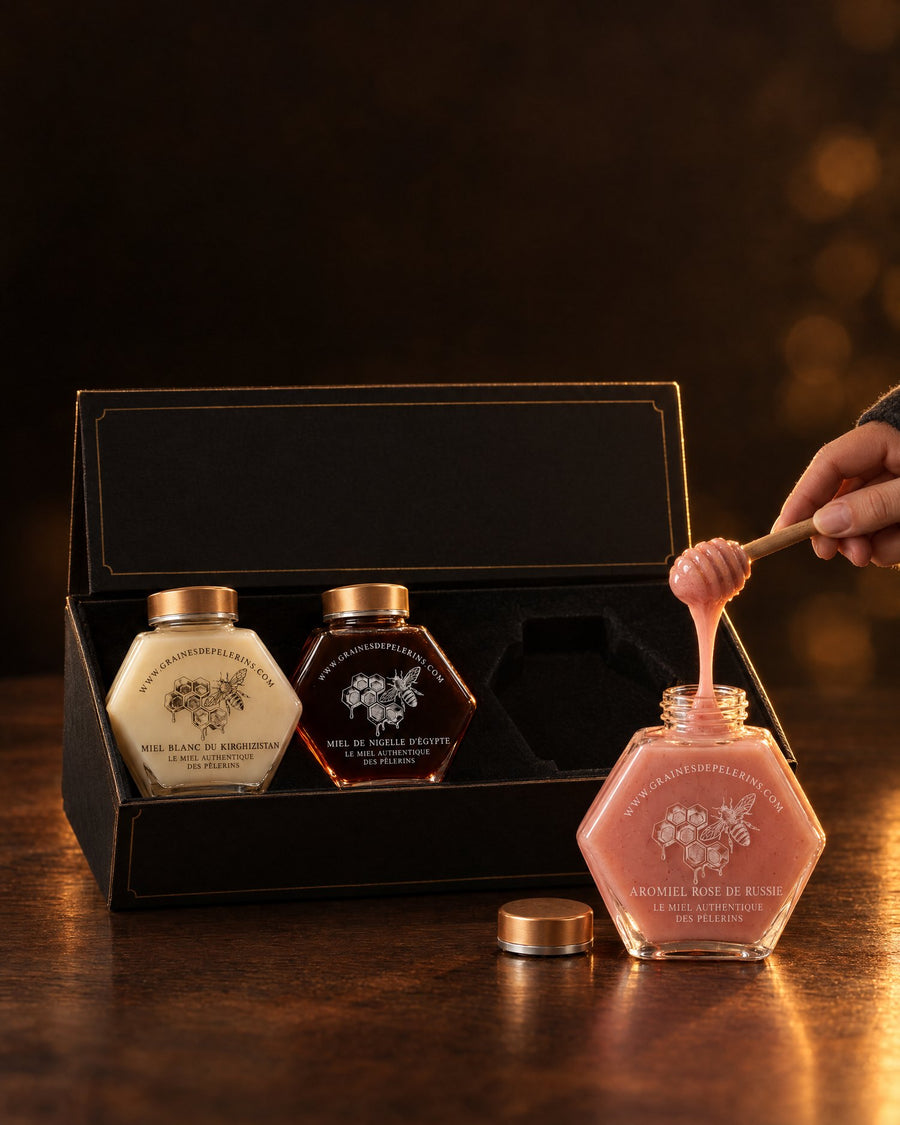
To compare
Why choose? Taste three.
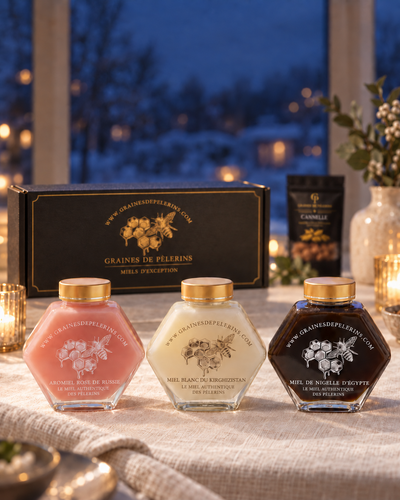
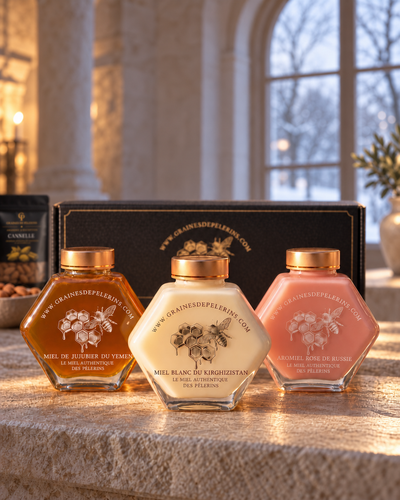
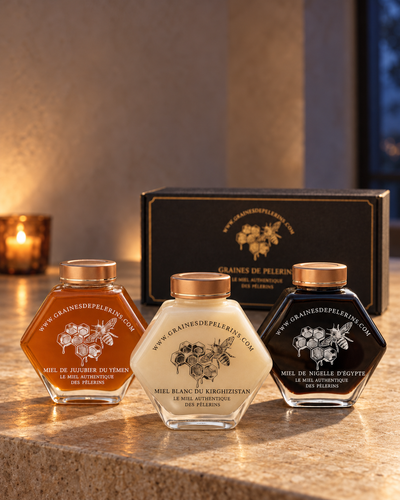
White Honey, Black Seed Honey and Rose Aromiel, side by side, in their box.
Frequently asked questions
Which is the gentlest honey?
White Honey from Kyrgyzstan: an ivory cream, floral, almost milky, with no bitterness.
Which honey has the boldest taste?
Jujubier Honey from Yemen, amber and dense, with a warm woody finish; and Egyptian Black Seed Honey, dense and peppery.
Why is White Honey white?
It comes from sainfoin, a pink flower of the Tian Shan valleys. As it crystallises on its own, the honey turns into an ivory cream; nothing is added. Its analysis (CETAM, report M251998) finds 90% sainfoin pollen.
Is sidr honey the same as jujube honey?
Yes. Sidr is the Arabic name for the jujube tree. Ours comes from Wadi Do’an, in Hadramawt, Yemen, where the tree blooms for only a few weeks, in autumn.
Is Rose Aromiel a honey?
It is a honey preparation: acacia honey and rosehip extract, the fruit of the wild rose, worked cold following a Russian tradition, with no essential oil and no synthetic flavouring.
How long does a jar last?
About a month of tasting, at your own pace. The 3-month ritual brings together three 250 g jars of the same honey, in a gift box.
The House promise
- Shipped within 48 working hours, in its presentation box
- Free Mondial Relay delivery · France, Belgium and Luxembourg
- Jar damaged on arrival? Replaced at our expense, no return needed
Secure payment · 14 days to change your mind on an unopened product
In a few lines
To recognise our four honeys before tasting them, look at the colour and how they hold. The ivory of White Honey stands on the spoon; the amber of Jujubier flows dense; the mahogany of Black Seed Honey takes a moment to leave the spoon; the pink of the Aromiel coats like a cream. A honey that crystallises is still the same honey: a cool room firms it up, gentle warmth softens it. Three analyses are published in full: White Honey, CETAM report M251998; Jujubier, CETAM report M253022; Black Seed Honey, analysis no. 10961 by the Michel Bocquet laboratory.
Going furtherWhich almonds to choose?Honey and almond pairings