

Yemen
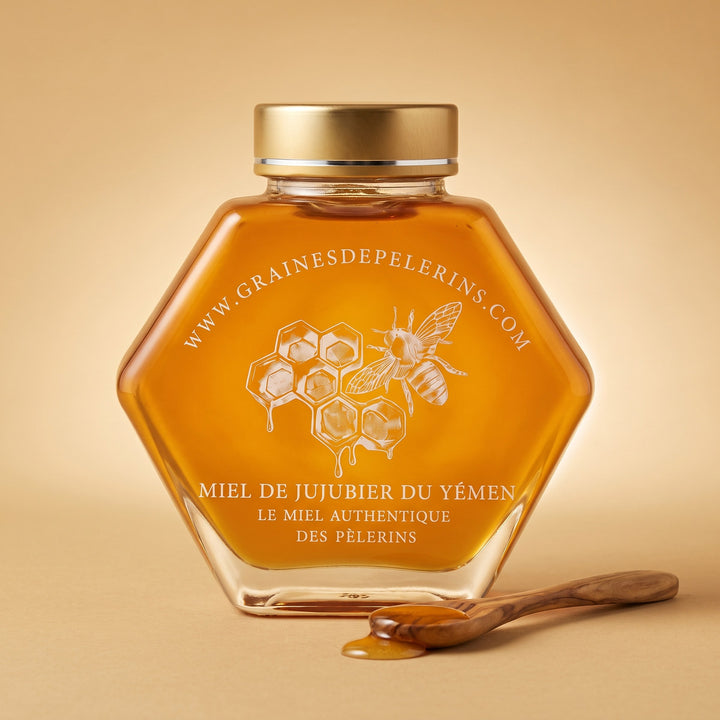
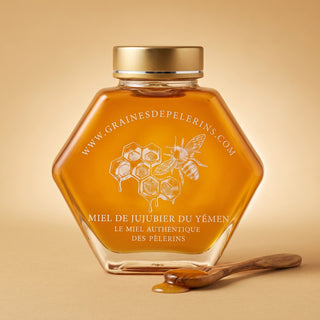
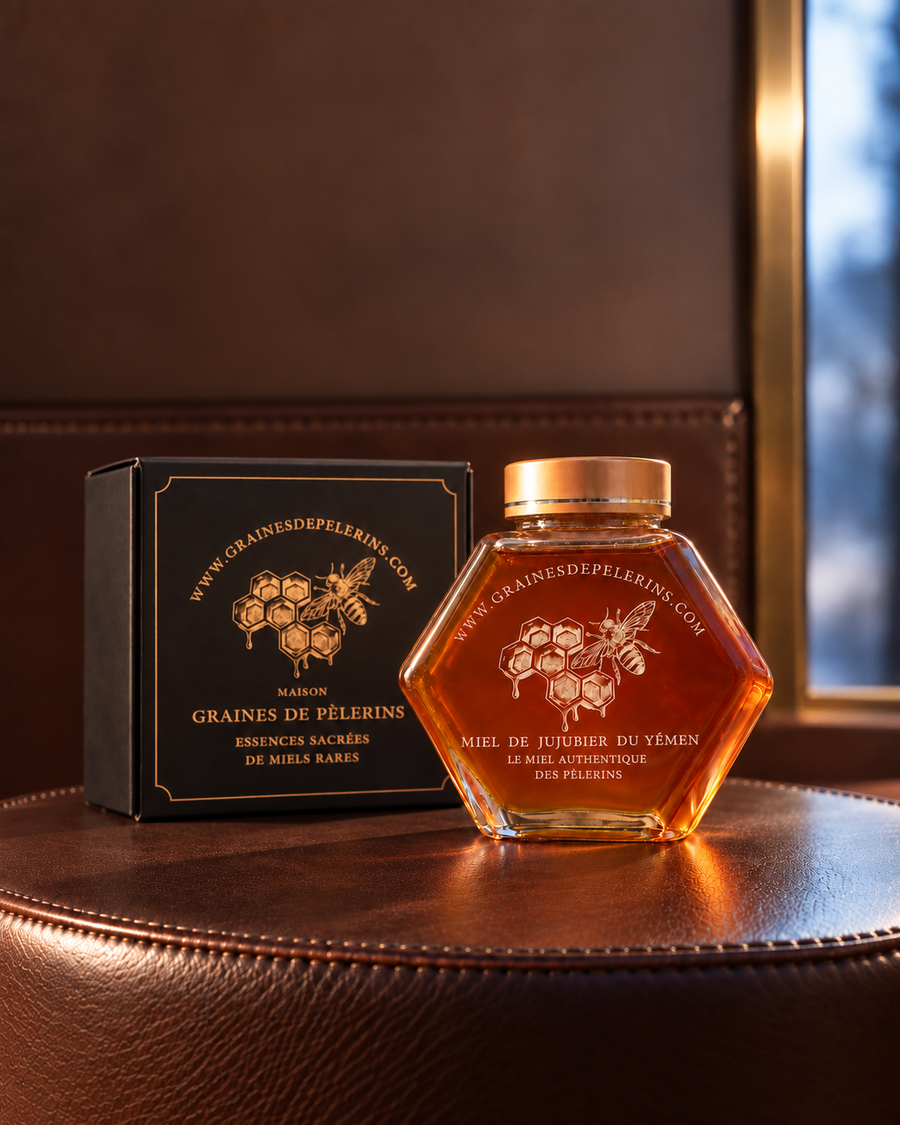
Jujubier Honey
Amber, dense, a deep finish.
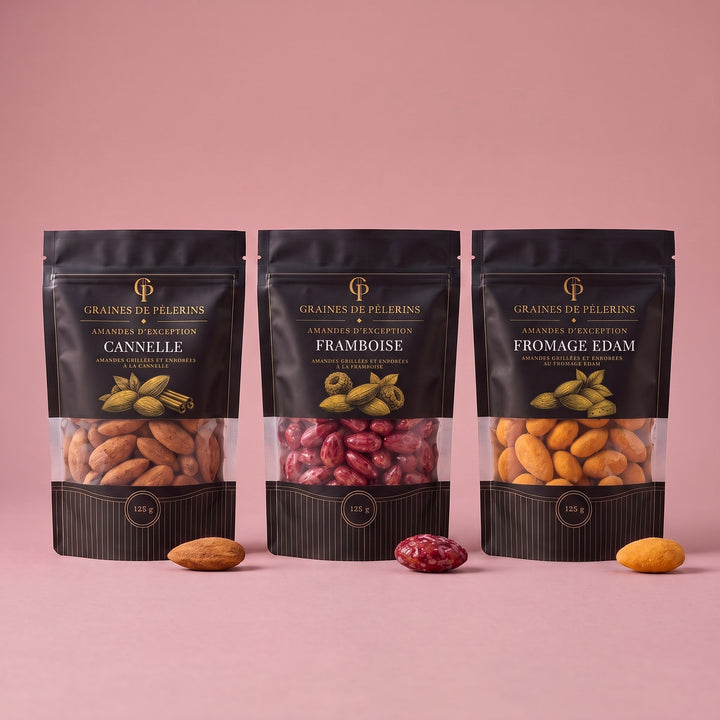 The Discovery TrioFrom
12,30 € / bag
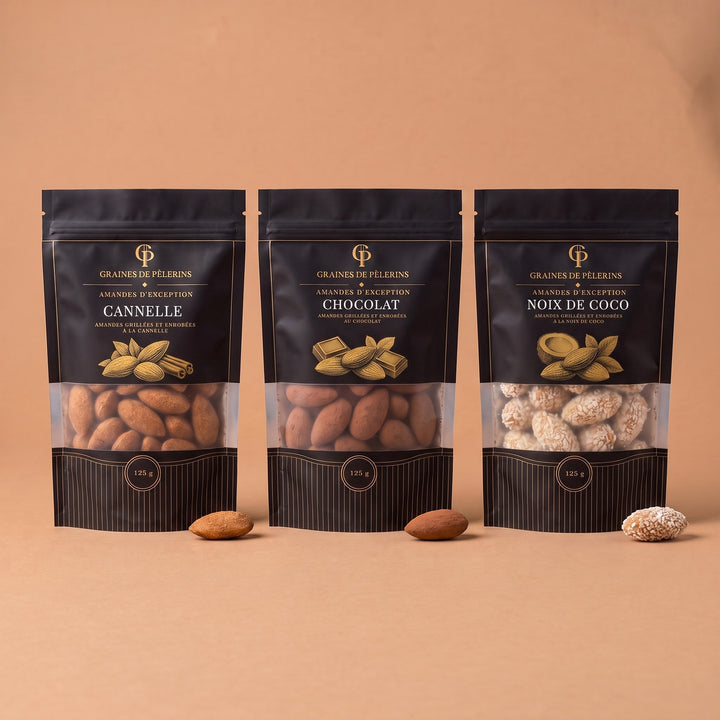 The Sweet TrioFrom
12,30 € / bag
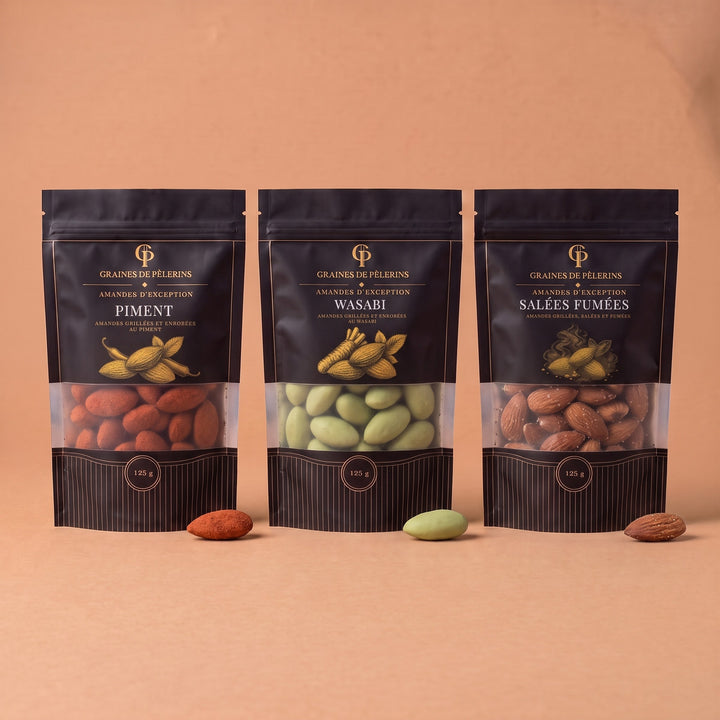 The Savoury & Spiced TrioFrom
12,30 € / bag
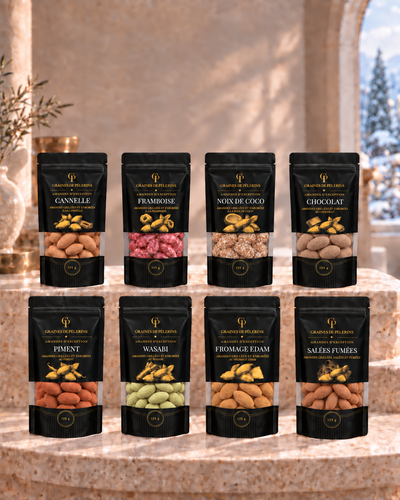 The Complete CollectionFrom
11,24 € / bag
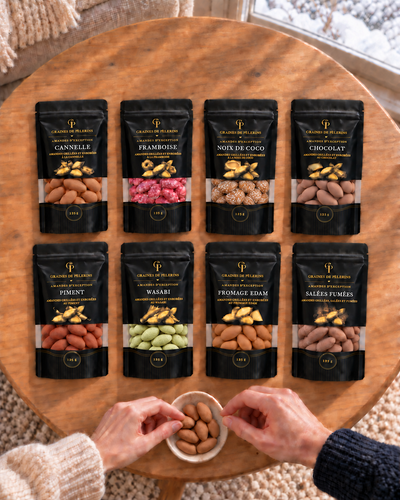 Build Your Own Almond AssortmentFrom
9,99 € / bag
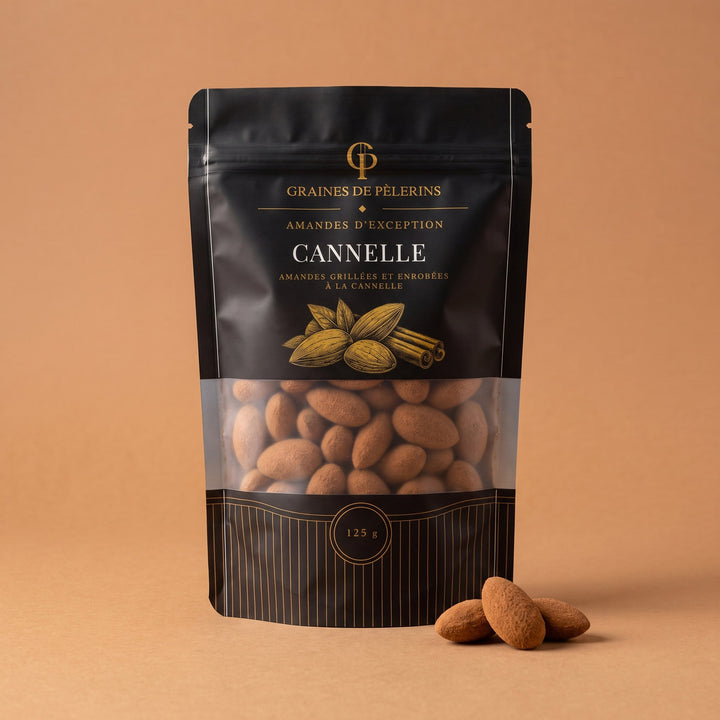 Cinnamon Coated AlmondsFrom
12,30 € / bag
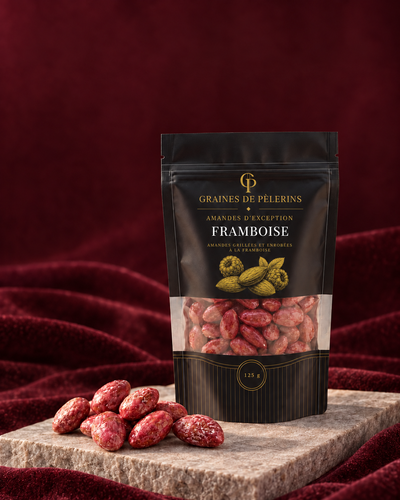 Raspberry Coated AlmondsFrom
12,30 € / bag
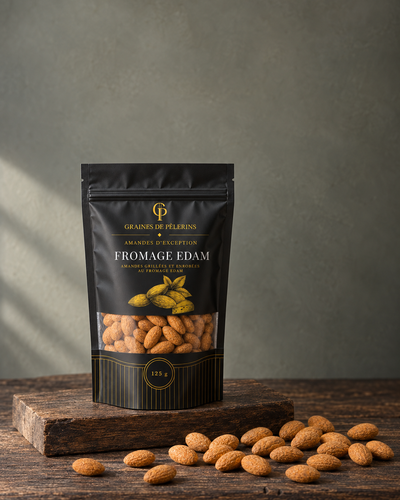 Edam Cheese Coated AlmondsFrom
12,30 € / bag
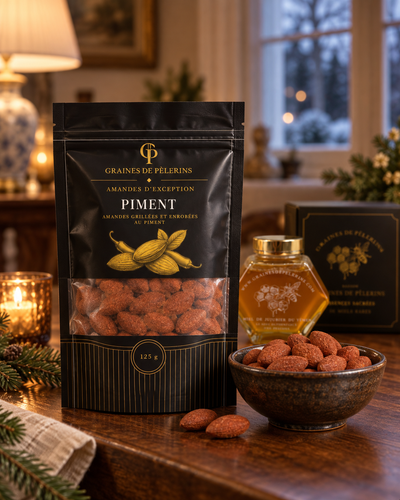 Chilli Coated AlmondsFrom
12,30 € / bag
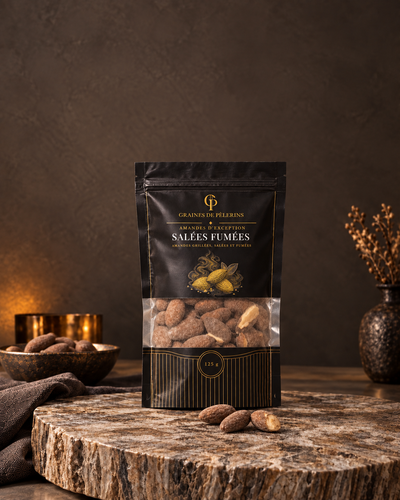 Salt & Smoke Coated AlmondsFrom
12,30 € / bag
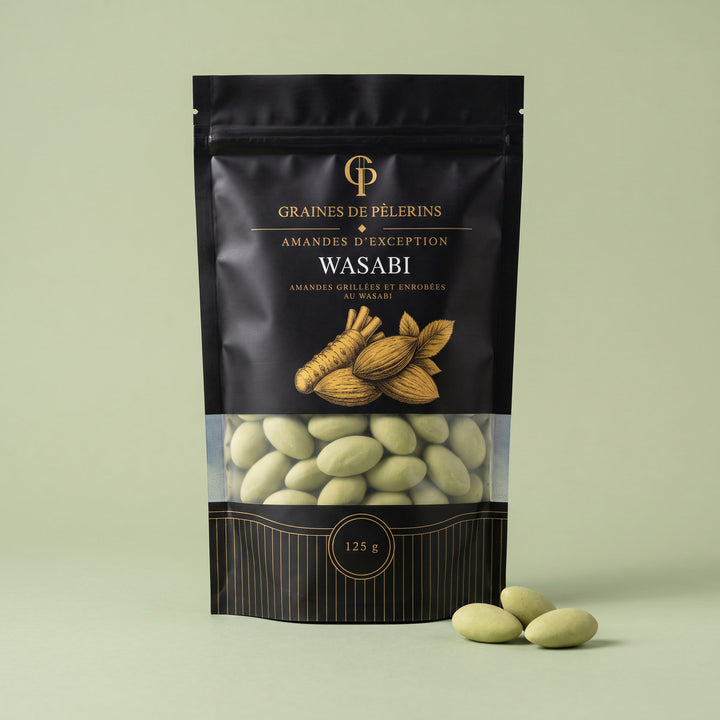 Wasabi Coated AlmondsFrom
12,30 € / bag
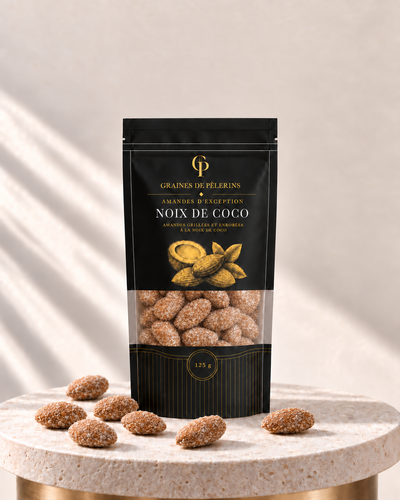 Coconut Coated AlmondsFrom
12,30 € / bag
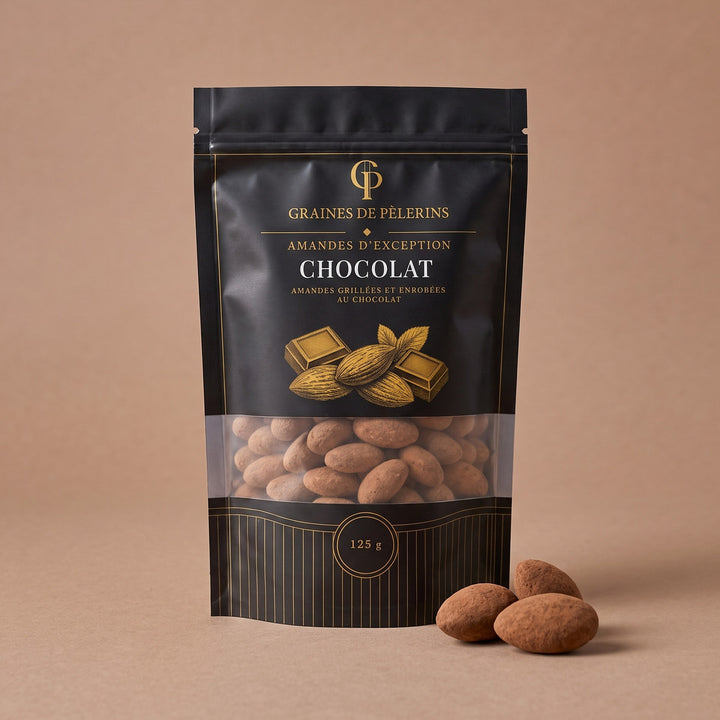 Chocolate Coated AlmondsFrom
12,30 € / bag
Which spoonful should you begin with?
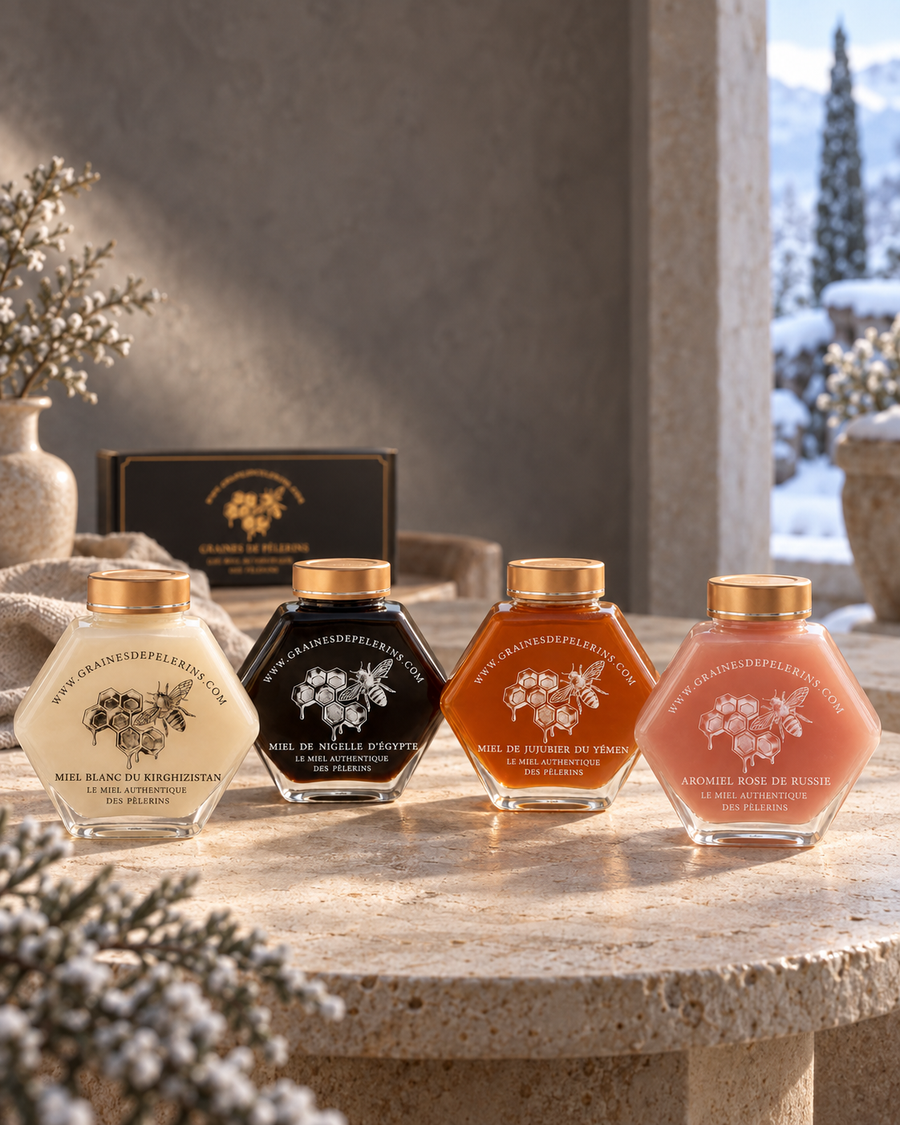
Four honeys on one side, eight crisp recipes on the other.
What our three laboratory reports measure, value by value, and the documents themselves, to open from this page.
The documents, in plain terms
Yes, our three honeys, and the documents are published. White Honey: CETAM Lorraine, report M251998 of 14/10/2025. Yemeni Sidr Honey: CETAM Lorraine, report M253022 of 31/12/2025. Black Seed Honey: Laboratoire Michel Bocquet, analysis no. 10961 of 03/02/2026. Each document covers the sample it identifies.
Each report describes the sample it identifies; it does not certify every batch sold. The values below are copied from the published documents.
| Testing laboratory | CETAM Lorraine |
|---|---|
| Lab report | M251998 |
| Report date | 14/10/2025 |
| Place stated in the report | Kyrgyzstan |
| Harvest | 2025 |
| Moisture content | 17.4% |
| HMF (hydroxymethylfurfural) | 2.7 mg/kg |
| Pollen analysis | Sainfoin (Onobrychis) 90%, dominant pollen |
| Name proposed by the laboratory | Sainfoin (Kirghizistan) |
| Laboratory conclusion | Criteria tested comply with French honey decree no. 2003-587 of 30 June 2003 |
| Testing laboratory | CETAM Lorraine |
|---|---|
| Lab report | M253022 |
| Report date | 31/12/2025 |
| Place stated in the report | Hadramout, Yemen |
| Harvest | 2025 |
| Moisture content | 14.2% |
| HMF (hydroxymethylfurfural) | Not measured in this report |
| Pollen analysis | Jujube (Ziziphus) 43%, secondary pollen |
| Name proposed by the laboratory | Jujubier (Yémen) |
| Laboratory conclusion | Criteria tested comply with French honey decree no. 2003-587 of 30 June 2003 |
| Testing laboratory | Laboratoire Michel Bocquet |
|---|---|
| Lab report | 10961 |
| Report date | 03/02/2026 |
| Sample | “Miel Nigelle” |
| Moisture content | 18.3% |
| HMF (hydroxymethylfurfural) | 4.6 mg/kg |
| Pollen analysis | Nigella 16%, secondary pollen |
| Laboratory conclusion | Blossom honey with the characteristics of a nigella honey; HMF satisfactory, moisture within the standard |

Creamy texture, floral notes or a more intense character: each product page presents its profile and available formats.
To choose from our honeys, read the profiles and ingredients listed on each product page.
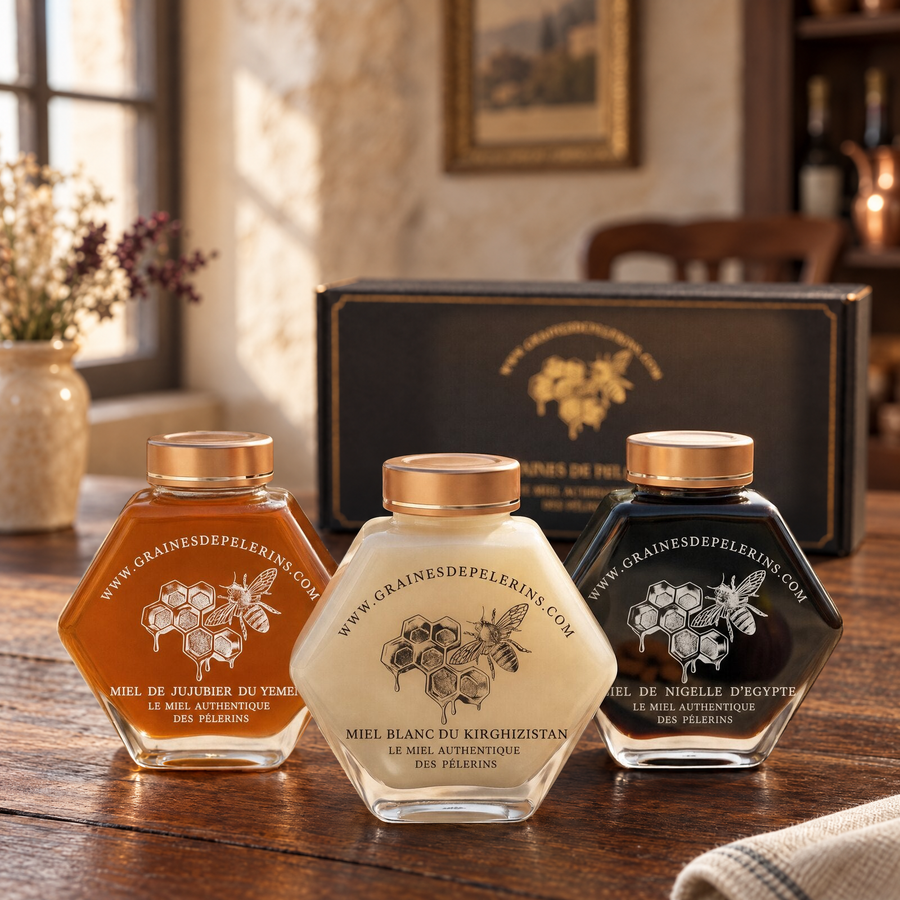
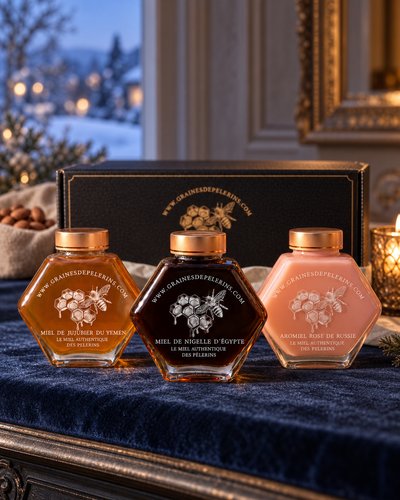
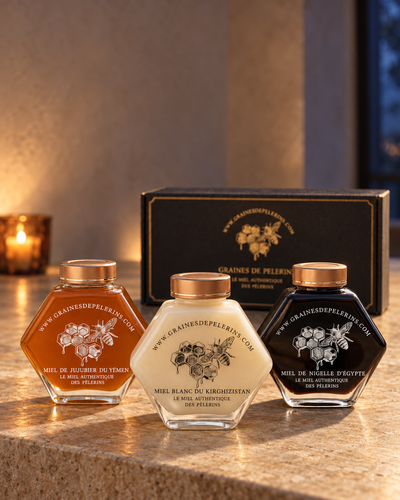
Jujubier from Yemen, White Honey from Kyrgyzstan and Nigella from Egypt: discover the origin and flavour profile of each honey.

The documents shown carry the references M251998 (White Honey), M253022 (Yemeni Sidr Honey) and no. 10961 (Black Seed Honey). In each document you will find the identity of the sample, the date, the methods and the results reported.
Both CETAM reports are reproduced in full; on the Laboratoire Michel Bocquet report, only the recipient block is masked.

Each product page presents its formats and ingredients. For a question about batch information, state the product concerned and the details shown on your jar or pouch.
These sensory descriptions help compare the honeys. They describe a tasting experience and do not replace an analysis.
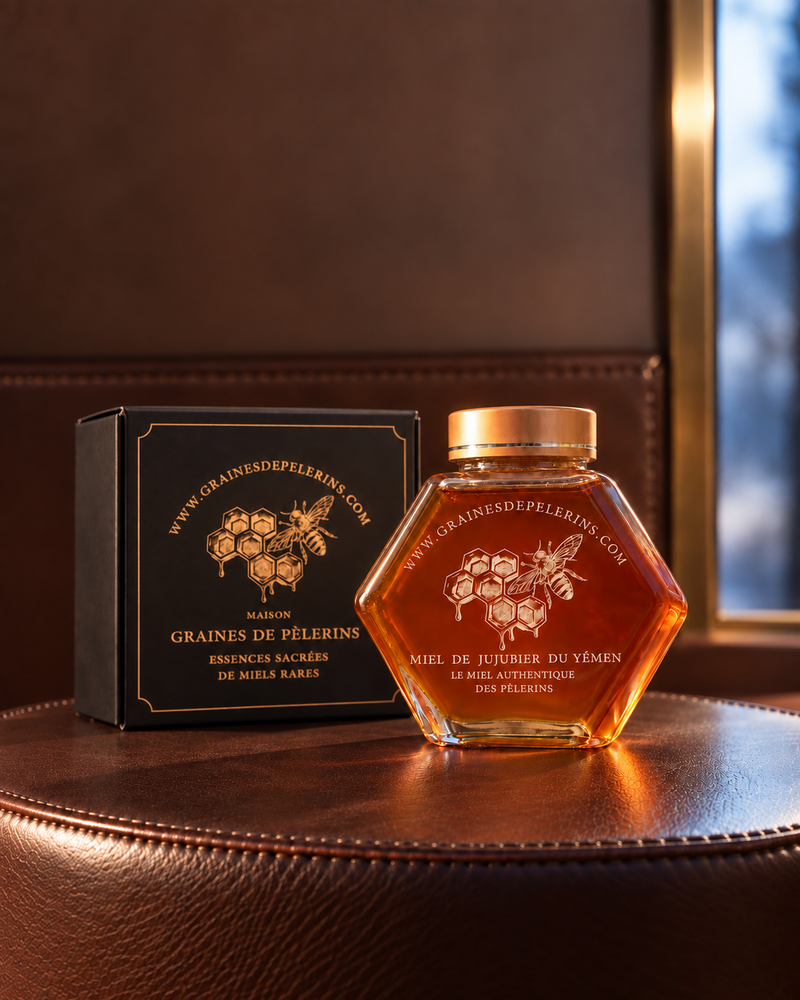
Jujubier Honey from Yemen
Try a small amount and take time to notice its aromatic notes.

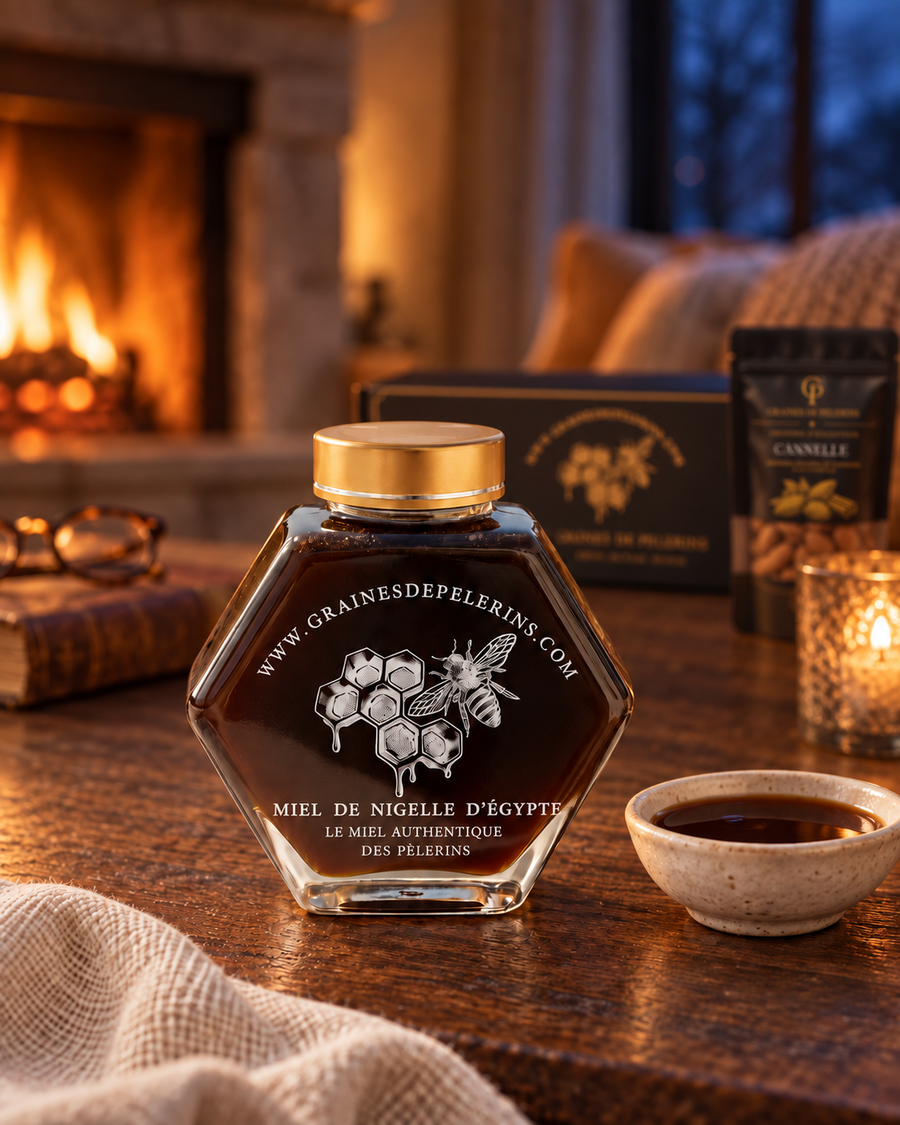
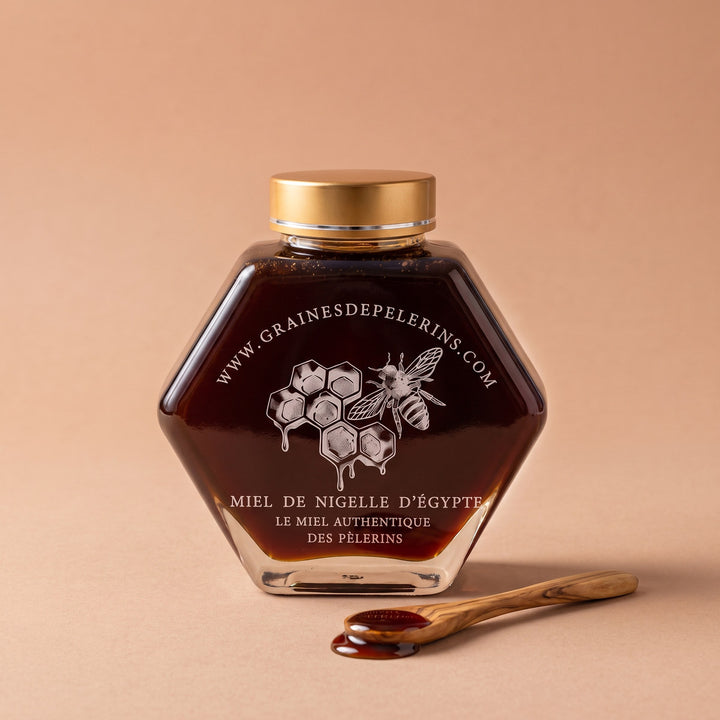
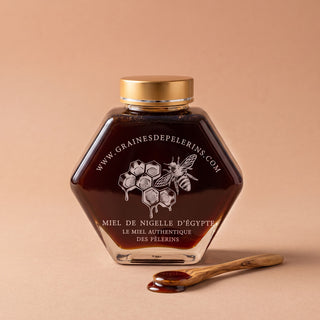
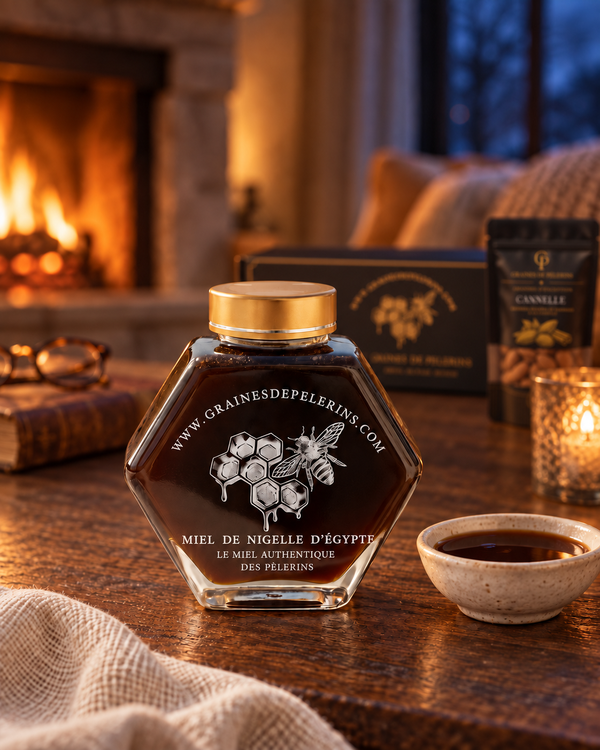
Egyptian Nigella Honey
A tasting suggestion: try it on its own, then with bread, to compare the sensations.

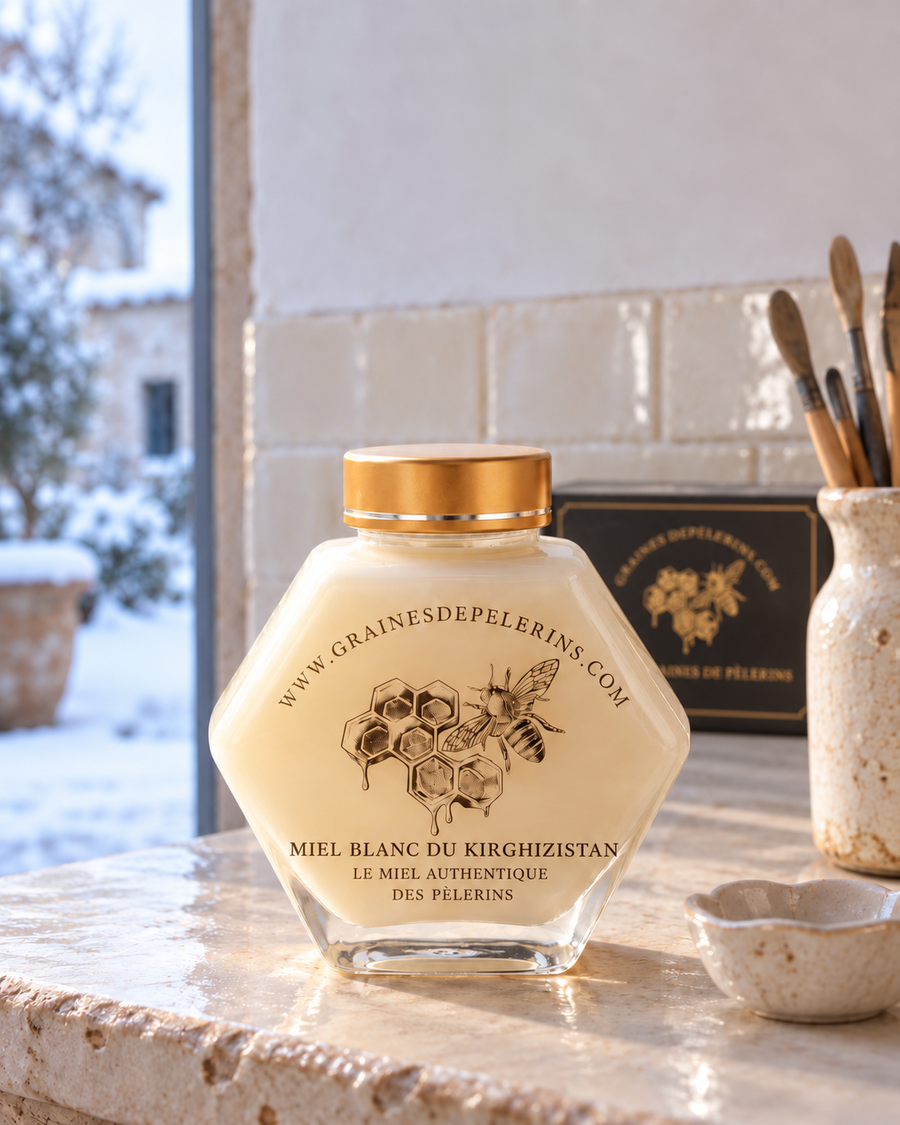
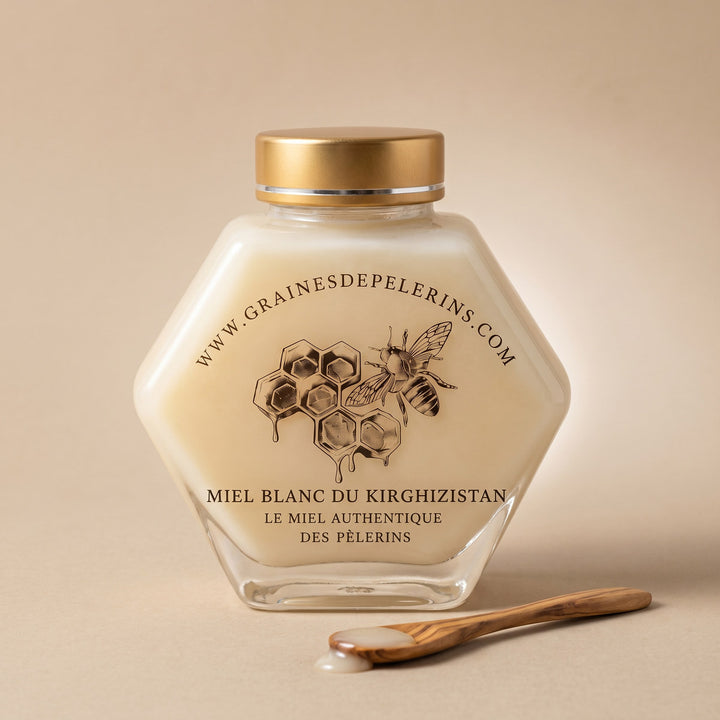
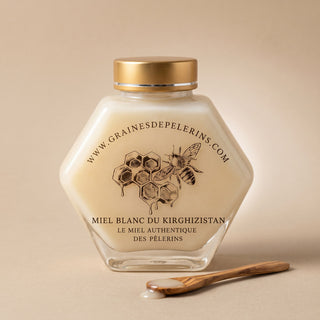
Kyrgyz White Honey
Its texture suits both spreading on bread and tasting by the spoonful.
A sensory description, a declared composition and an analysis report give different information. Read the product page and the document that answers your question.
The documents cover the samples identified in their reports. They do not certify every batch currently on sale, nor every product in the collection.
Each report identifies the product analysed, the date, the methods and the results of the analyses carried out.
View the analysis reports on our product pages and our Analysis and Traceability page. Our customer service team can help with your product and its batch number.
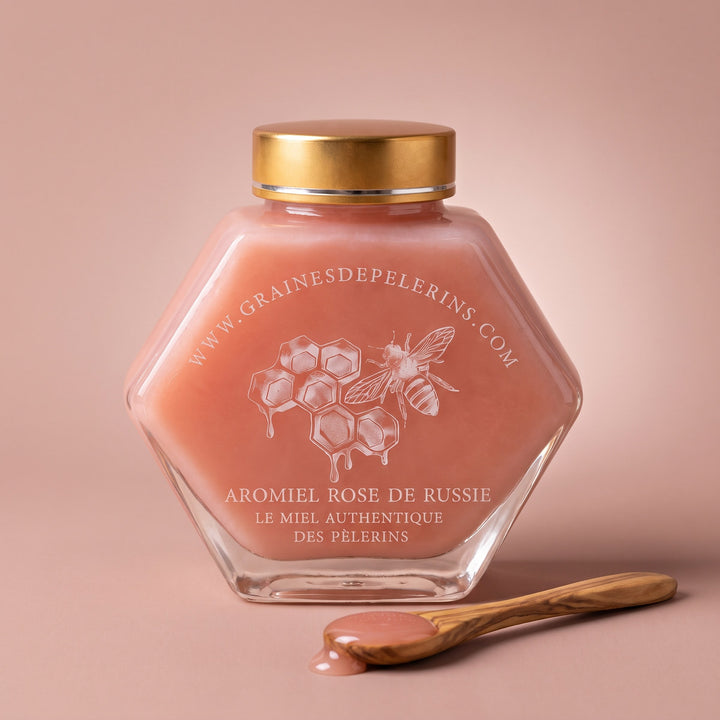
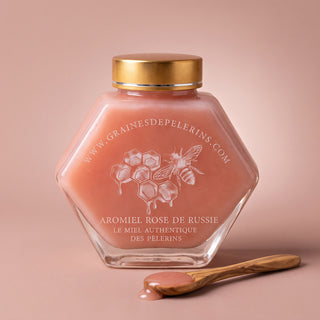
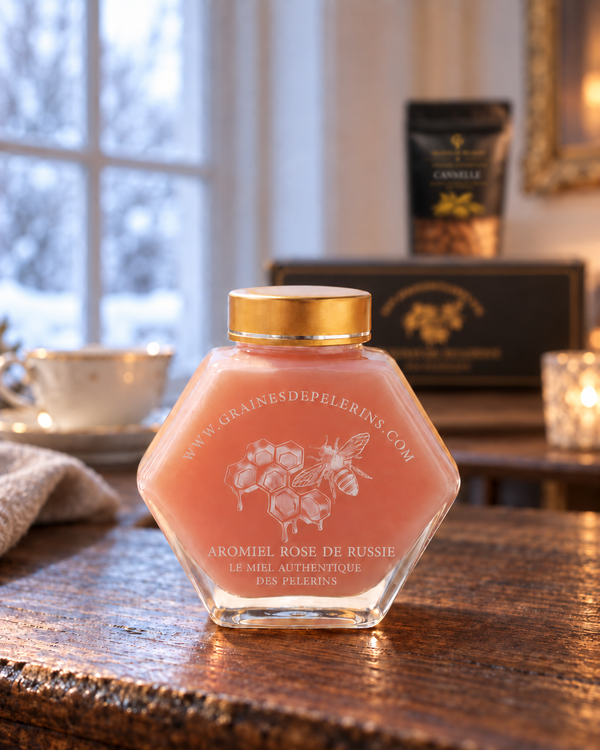
Rose Aromiel combines acacia honey with rosehip extract, from the fruit of the wild rose. A creamy creation with floral and fruity notes.
Read the product page and the selected format before adding to your basket. For an assortment, also check the recipes it contains.
Our customer service team can help with your product and its batch number.
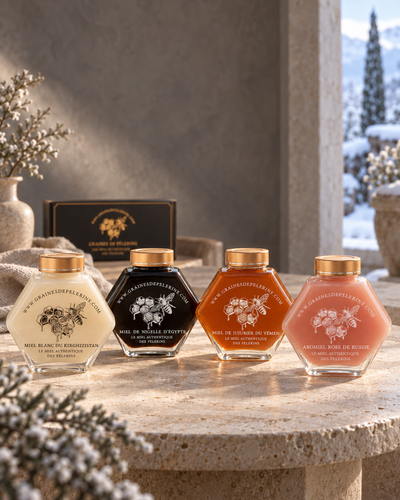
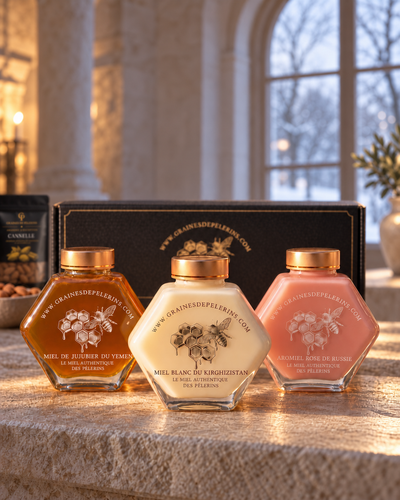
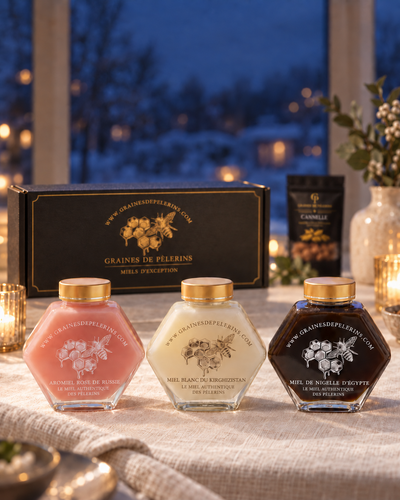
Compare our honeys and the contents of each gift box before choosing.
View the collectionTraceability, honey by honey
For each honey, find the stated origin and the detailed tasting profile on its product page.
 Yemeni Sidr HoneyView the page
 Egyptian Black Seed HoneyView the page
 White Honey from KyrgyzstanView the page
 Rose Aromiel from RussiaView the page
Traceability information is documented where available and presented in the context of the product it concerns.
What is analysed
Behind every analysis, one precise jar, from one precise harvest.
The terroirs
Altitude, flower and season: what the laboratory finds in the pollen.
After the analysis
Density, flow, hold on the spoon: what you check at the tasting.

Compare
Four textures, four densities.
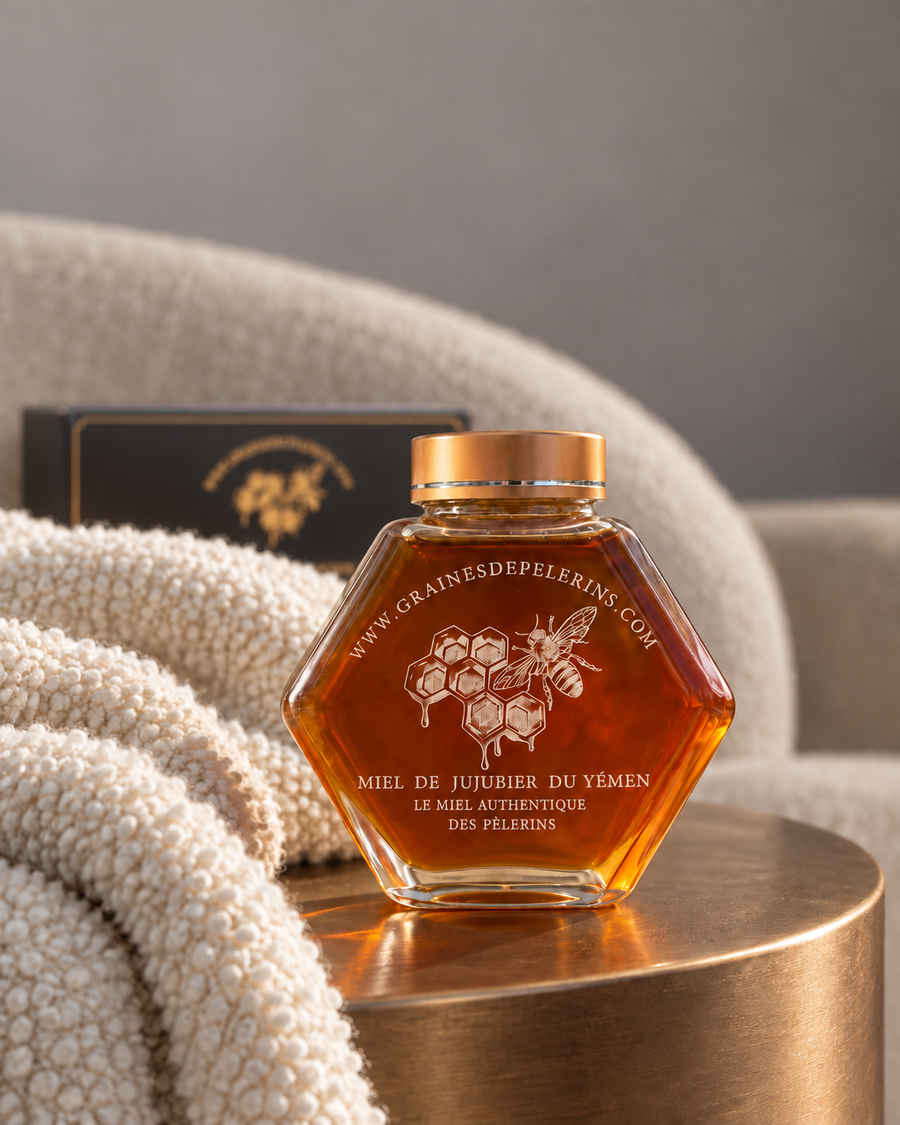
Portrait
The densest of the four.

Morning
The simplest gesture.
Tasting
The Jujubier Honey, broad and deep.

Contrast
The Black Seed Honey, spiced and dense.

Pastry
The Rose Aromiel, floral and light.

Gift box
Three contrasting profiles.

Material
An ivory, creamy texture.