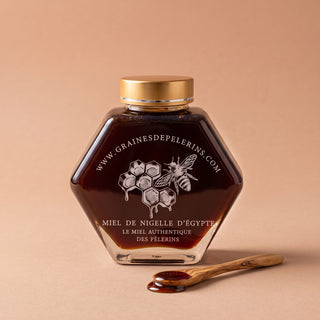
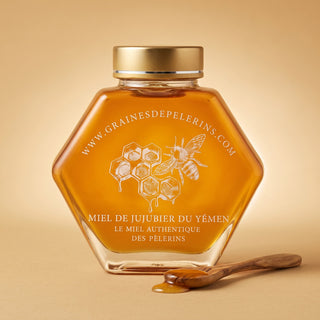
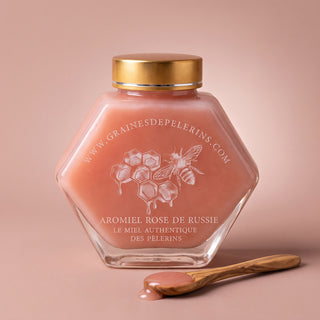


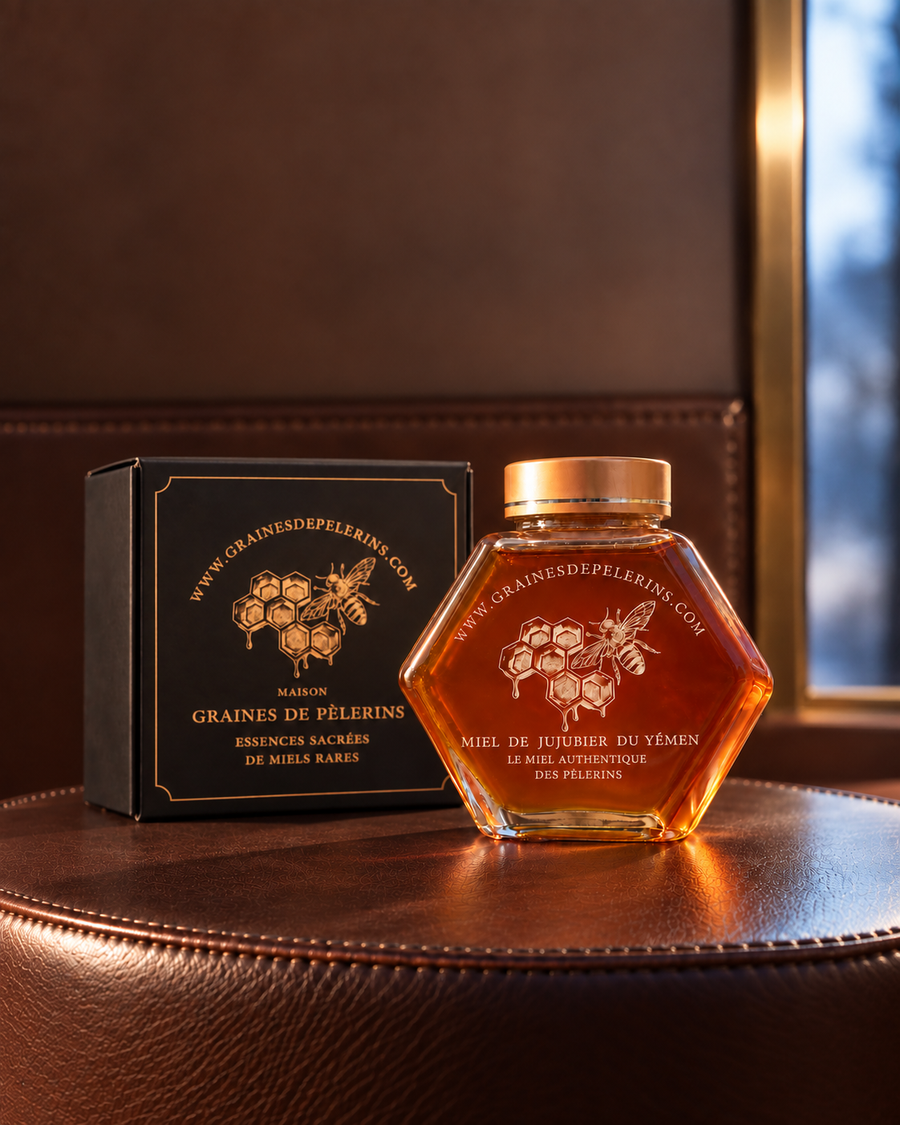
Yemen
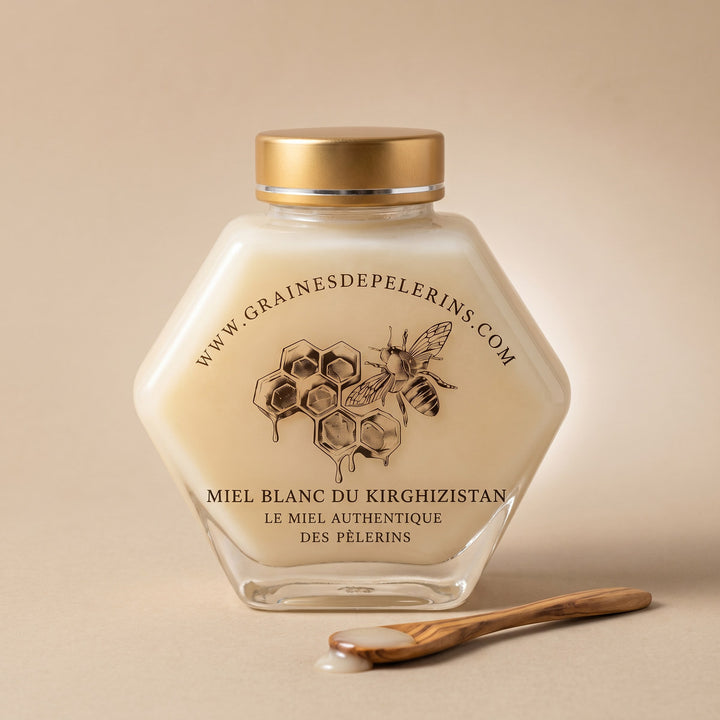
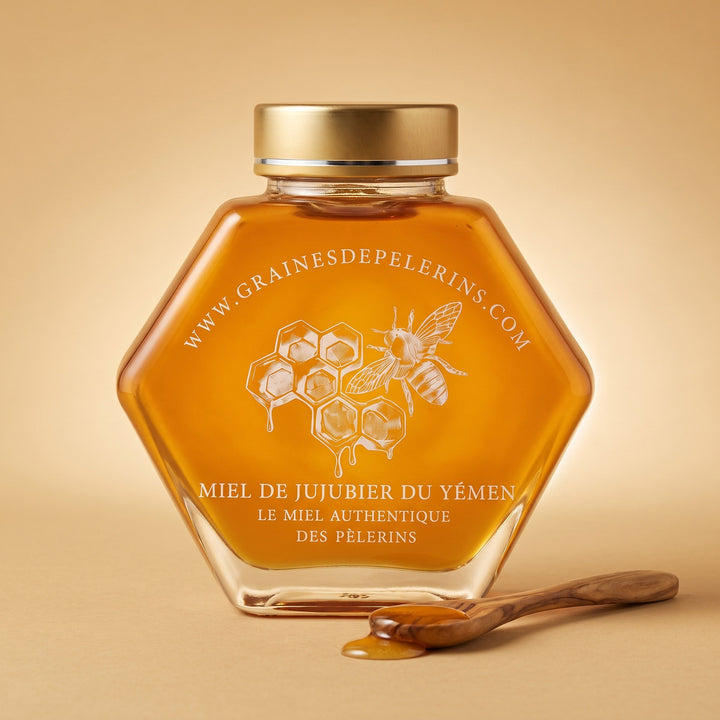
Jujubier Honey
Amber, dense, a deep finish.

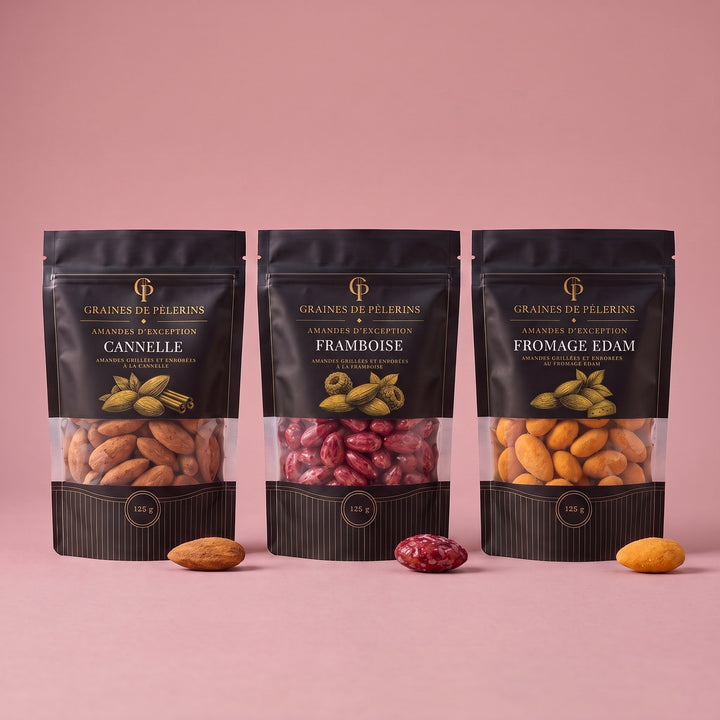 The Discovery TrioFrom
12,30 € / bag
The Discovery TrioFrom
12,30 € / bag
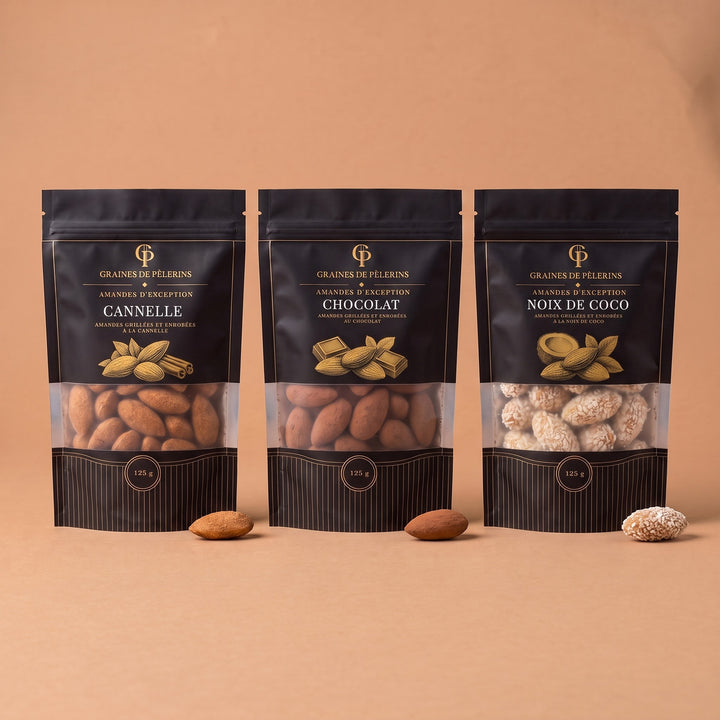 The Sweet TrioFrom
12,30 € / bag
The Sweet TrioFrom
12,30 € / bag
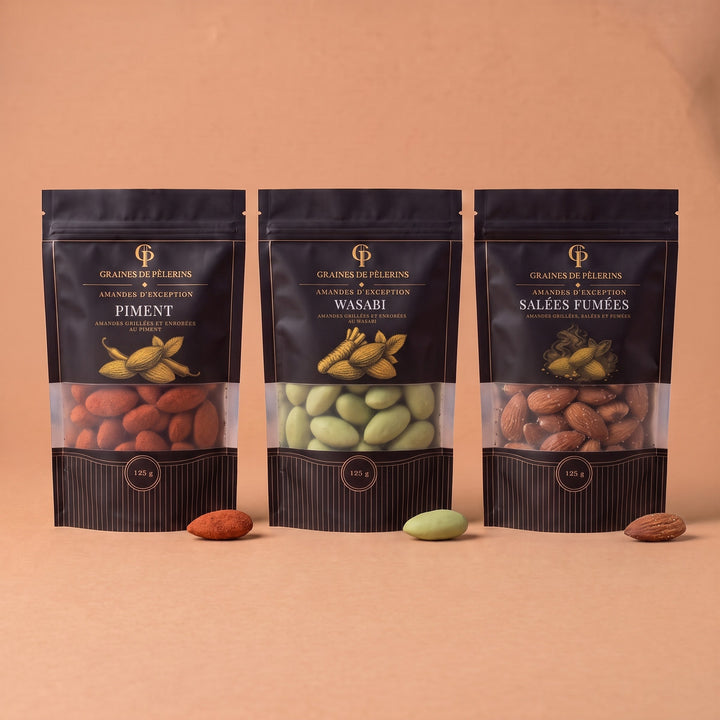 The Savoury & Spiced TrioFrom
12,30 € / bag
The Savoury & Spiced TrioFrom
12,30 € / bag
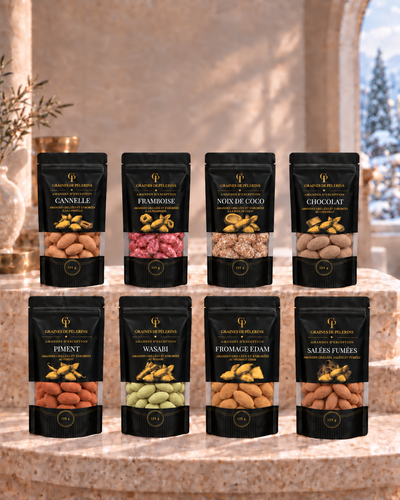 The Complete CollectionFrom
11,24 € / bag
The Complete CollectionFrom
11,24 € / bag
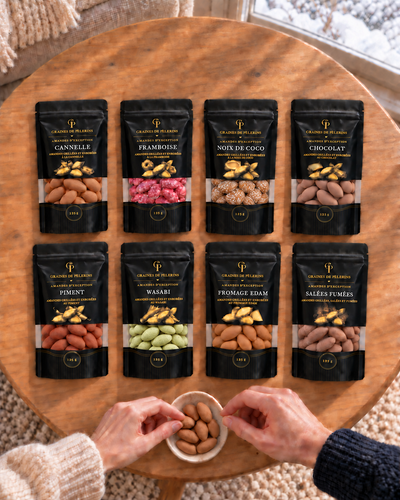 Build Your Own Almond AssortmentFrom
9,99 € / bag
Build Your Own Almond AssortmentFrom
9,99 € / bag
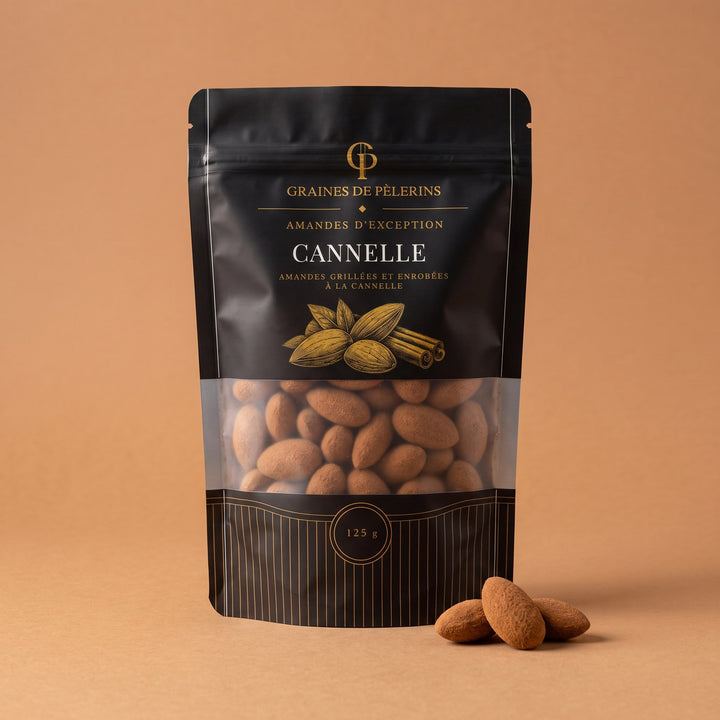 Cinnamon Coated AlmondsFrom
12,30 € / bag
Cinnamon Coated AlmondsFrom
12,30 € / bag
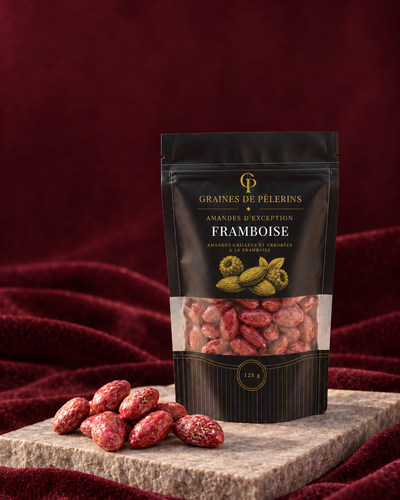 Raspberry Coated AlmondsFrom
12,30 € / bag
Raspberry Coated AlmondsFrom
12,30 € / bag
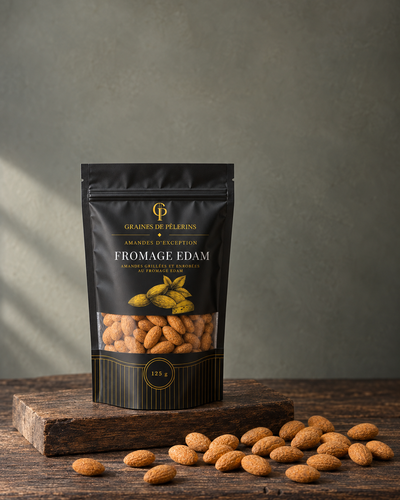 Edam Cheese Coated AlmondsFrom
12,30 € / bag
Edam Cheese Coated AlmondsFrom
12,30 € / bag
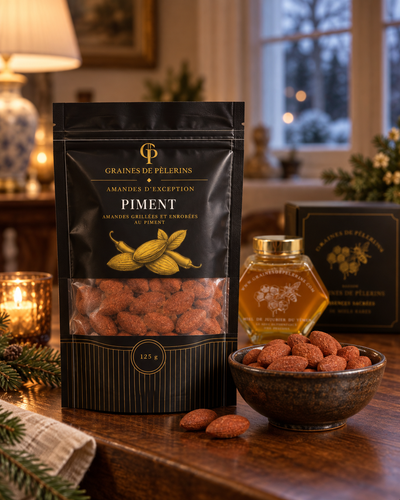 Chilli Coated AlmondsFrom
12,30 € / bag
Chilli Coated AlmondsFrom
12,30 € / bag
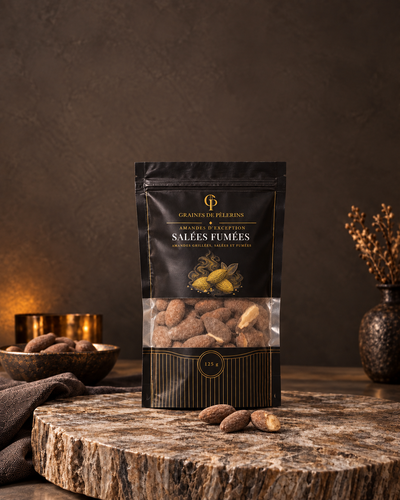 Salt & Smoke Coated AlmondsFrom
12,30 € / bag
Salt & Smoke Coated AlmondsFrom
12,30 € / bag
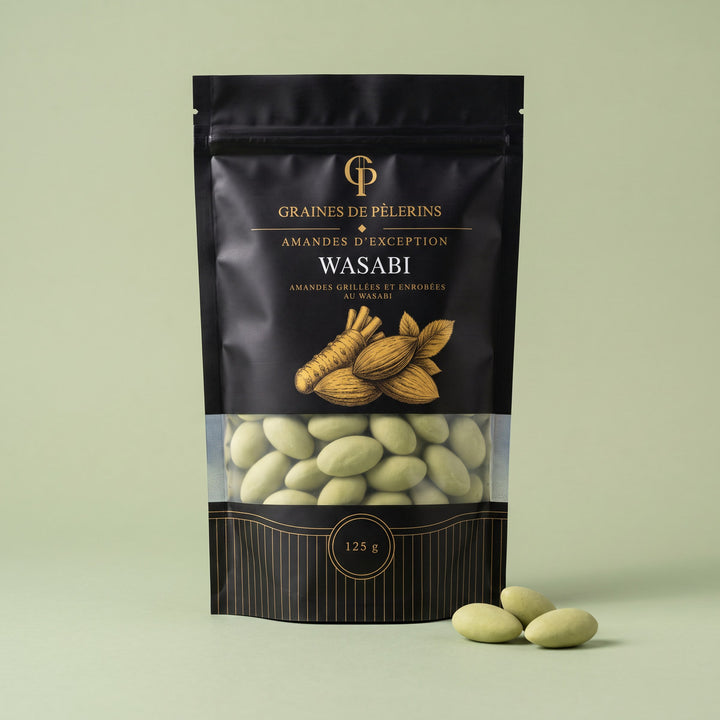 Wasabi Coated AlmondsFrom
12,30 € / bag
Wasabi Coated AlmondsFrom
12,30 € / bag
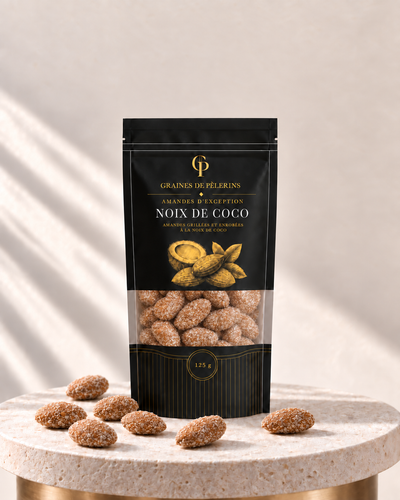 Coconut Coated AlmondsFrom
12,30 € / bag
Coconut Coated AlmondsFrom
12,30 € / bag
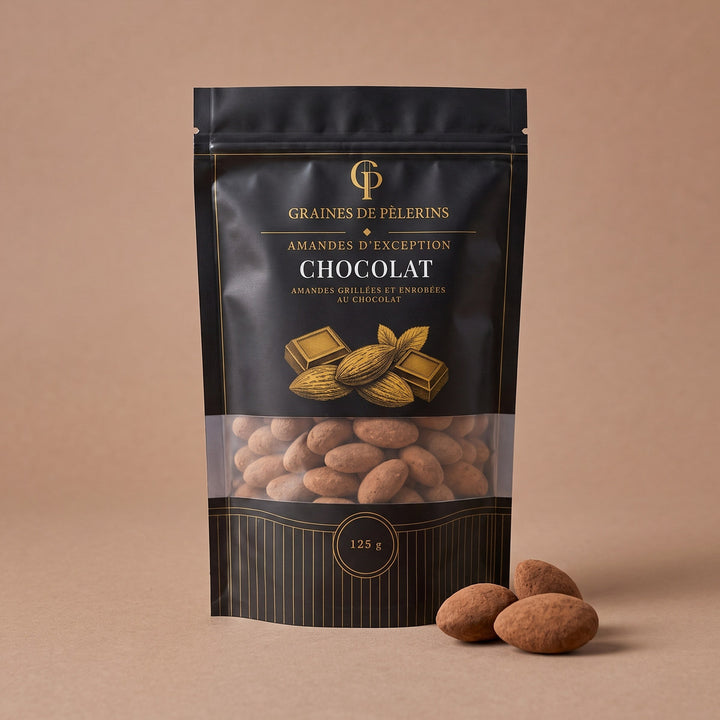 Chocolate Coated AlmondsFrom
12,30 € / bag
Chocolate Coated AlmondsFrom
12,30 € / bag
Which spoonful should you begin with?
Four honeys on one side, eight crisp recipes on the other.
Travel notes, beekeeping knowledge and the secrets of rare origins. Every article tells of a honey, a region, a piece of craft.
Every origin tells of a flower, a short harvest window, a beekeeping tradition handed down. Follow the terroir that speaks to you.
Fifteen themed notebooks on rare honeys, tasting rituals, authenticity and beekeeping traditions around the world.

Pairings
Mistral counted only eleven. Where does thirteen come from, what really sits on the table at Christmas in Provence, and how to set your own with honey and almonds.
Read the article
Guide
For centuries, pain d’épices was a loaf of honey and rye whose dough waited for weeks. From Reims to Nuremberg, its history, the part honey plays, and a real pure honey recipe, step by step.
Read the article
Classements
In 2025, the world beekeeping congress gave up awarding a honey. What contests and rankings are really worth, and the five criteria that make a great honey.
Read the article
Guide
Honey does not go off like yoghurt, but it does not cross the centuries intact either. Best before date, open jar, fridge, crystallisation: how to keep each jar at its best.
Read the article
Pairings
Roquefort, Stilton, Comté, fresh goat’s cheese, Brie: which honey to serve with each cheese, in what order to build the board, and which almonds to slip in between.
Read the article
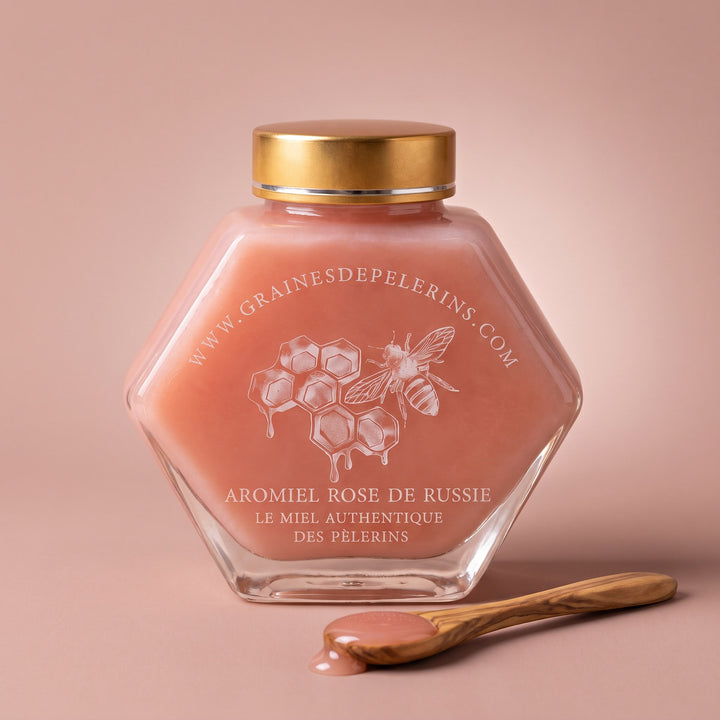
Aromiel Rose
What people call rose honey owes nothing to petals: its colour comes from the fruit of the dog rose. The Rose Aromiel from Russia explained, from hedgerow to spoon.
Read the article
Geography
A map of the main rare honey producing regions of the world: Yemen, Central Asia, North Africa, Russia and Oceania. Origins, dominant flowers, profiles and harvest conditions.
Read the article
Essentials
The price of a rare honey can vary thirtyfold depending on where it comes from. Here are the five factors behind the gap: how scarce the flowering is, how hard the origin is to reach, how it is harvested, how it is traced, and world demand.
Read the article
White Honey
Three rare honeys, three origins, three profiles. Here are the factual differences between Yemeni Sidr honey, White Honey from Kyrgyzstan and Egyptian Black Seed Honey, and how to choose for your own taste or for a gift.
Read the article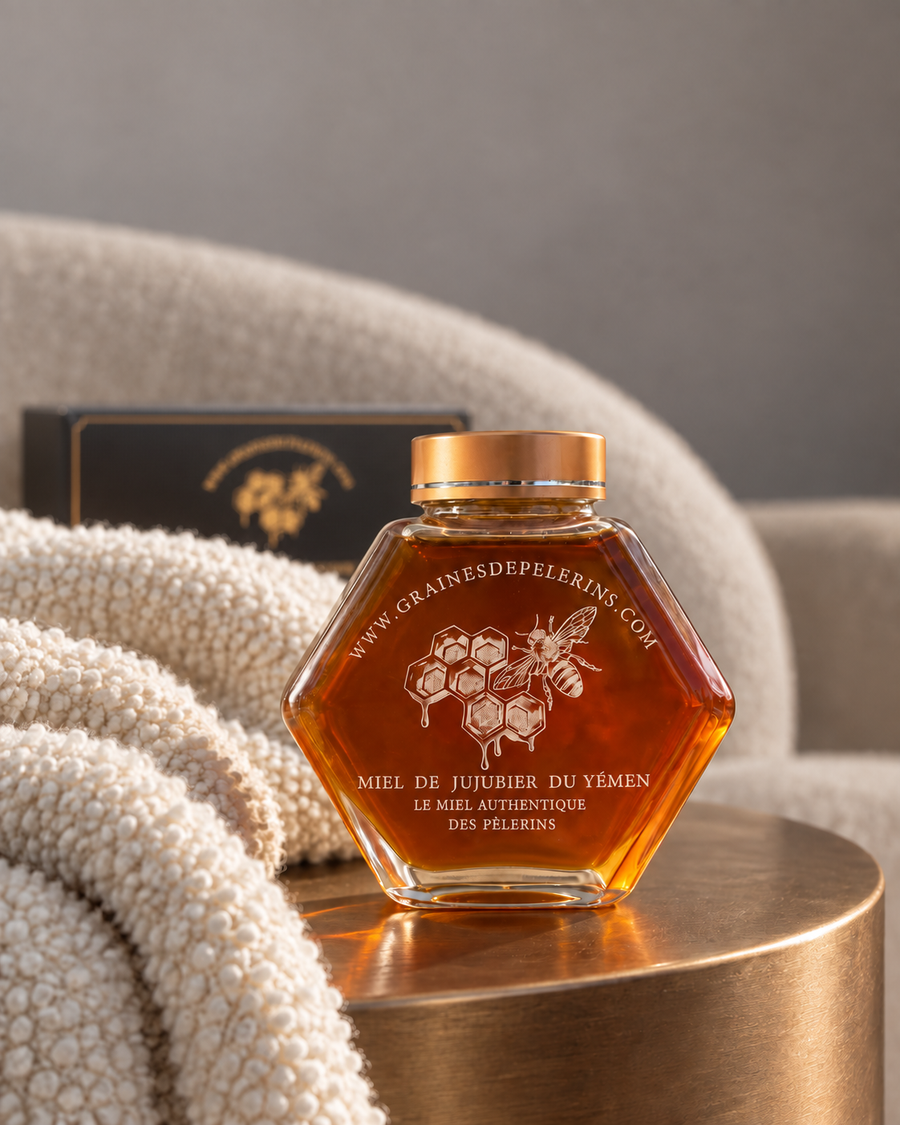
Acacia
A factual comparison of Yemeni Sidr honey (jujube) and acacia honey: origin, flower, colour, texture, price, crystallisation and aroma profile. The guide to choosing on taste rather than on reputation.
Read the article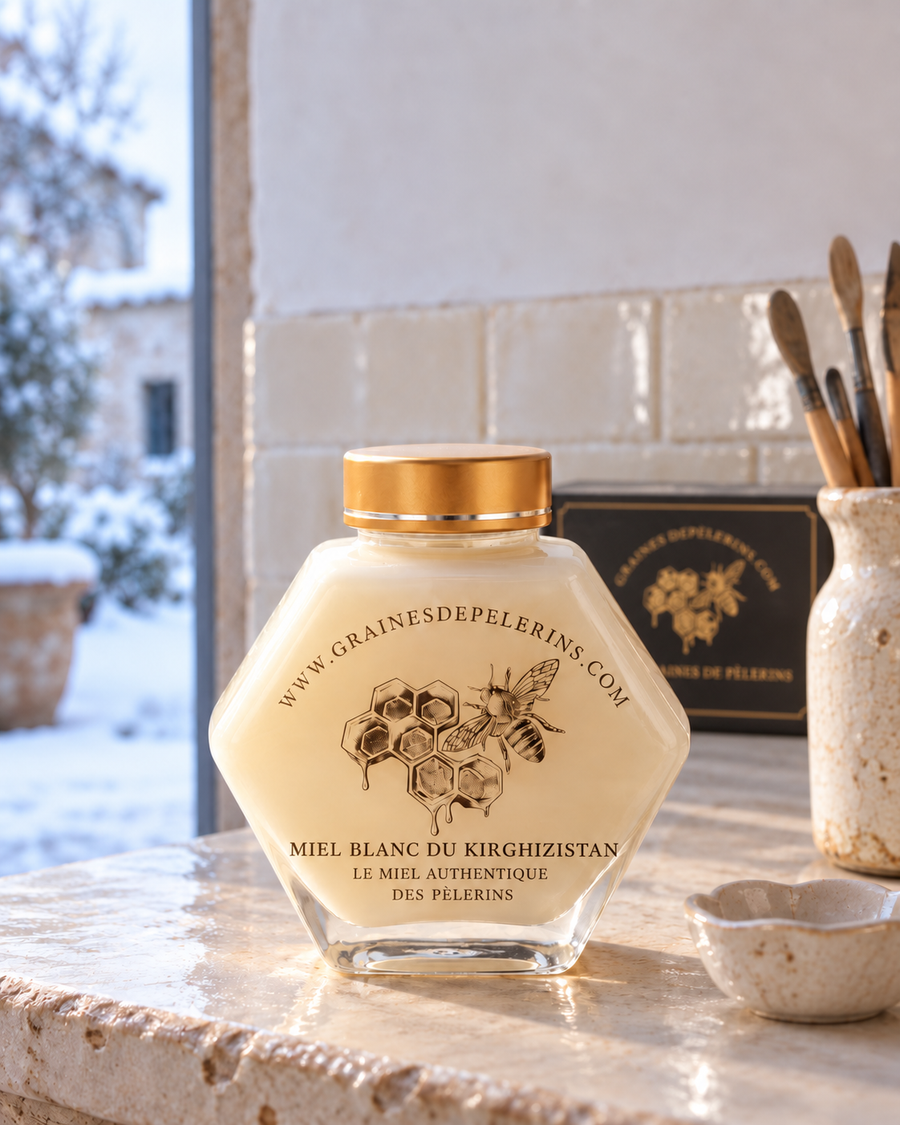
Authenticity
Is crystallised honey still good? Yes. Why it sets, how to soften it without strong heat, and how to keep an open jar.
Read the article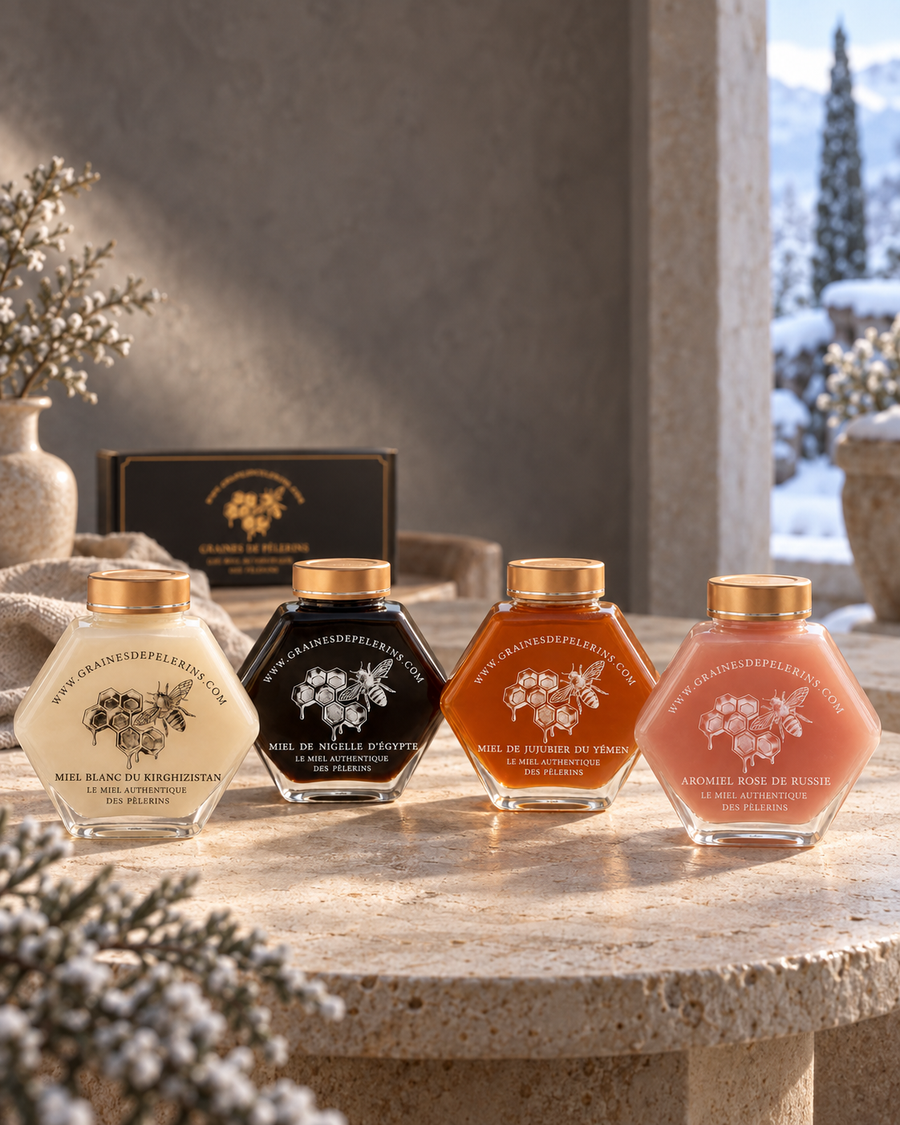
Rare honeys
Yemeni Sidr, White Honey from Kyrgyzstan, Black Seed, manuka… Explore six honeys and one honey-based speciality, with their origins, their differences and markers to choose.
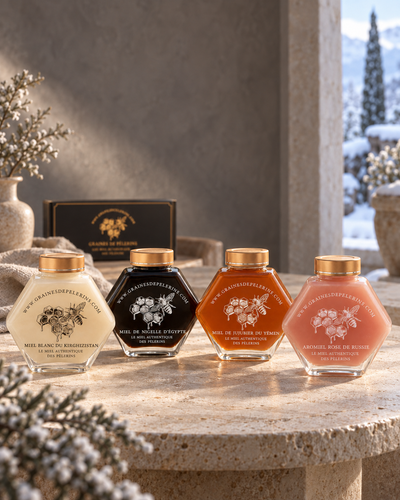
Read the articleFour origins, limited harvests, gift boxes made for giving and for tasting.
See the collectionAlso worth discovering: our Almonds of Distinction
In pictures
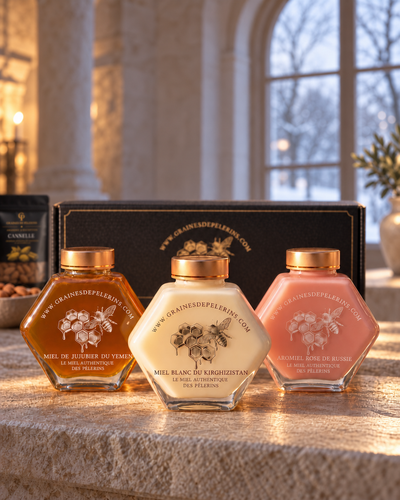
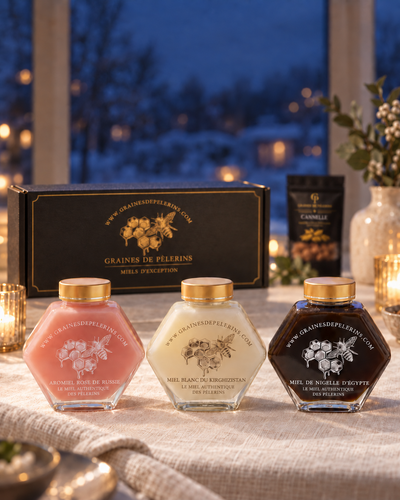
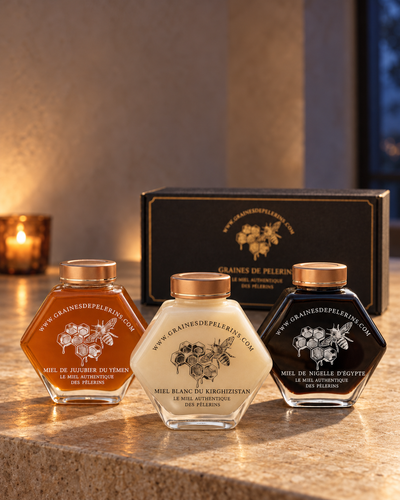
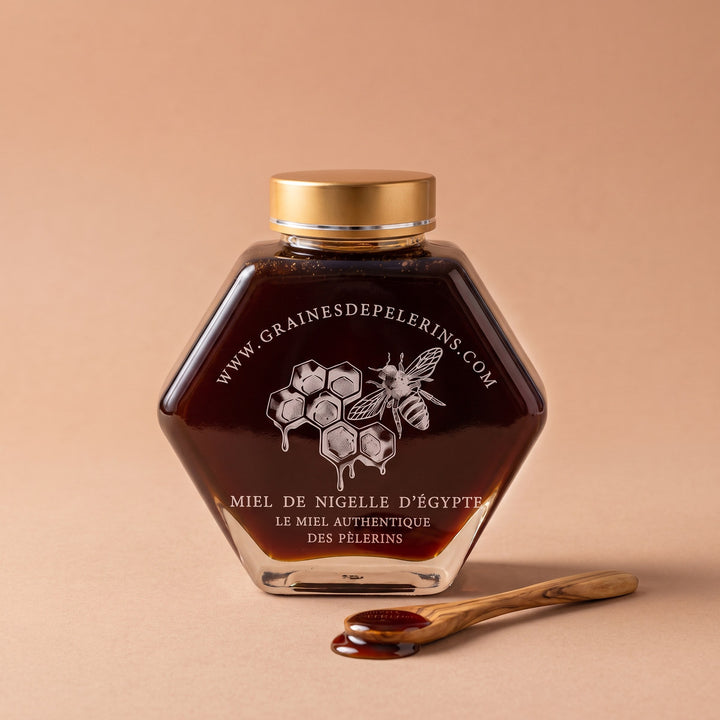
Four origins, one method, one presentation box. Scroll through.
The other side
Each recipe reveals its texture and character.

Warm
Gentle, woody warmth.

Indulgent
A round cocoa note.

Gentle
Fragrant sweetness.

Savoury
Clean salt, discreet umami.

Fiery
A rising heat.

Bright
A bright, clean point.

Smoked
Long, lasting smoke.

Contrasted
Three flavours in sequence.