
Yemeni Sidr honey: the complete guide to a rare honey
The origin of Yemeni Sidr Honey, its tasting profile, storage and traceability documents: the useful markers for choosing your jar.
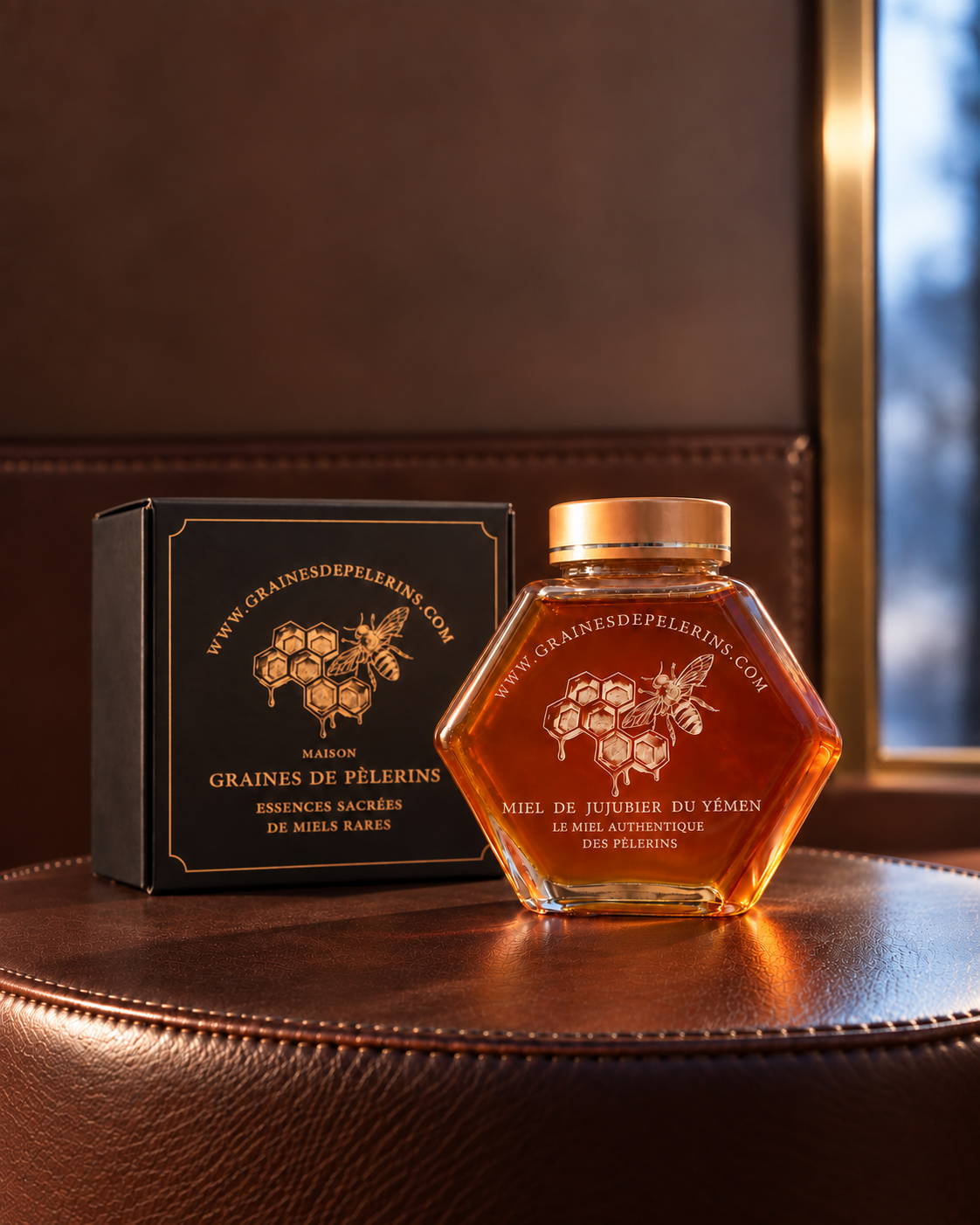
Yemeni Sidr Honey (jujube) comes from the nectar of jujube blossom. Our selection is discovered by the spoon: an amber matter, a dense texture, then a flavour that stays. To understand what you are tasting, three markers work together: the plant, the place of harvest and the documents for the batch. Here is how to read them, and then how to make room for this honey in your next pairings.
Contents
The complete guide to Yemeni Sidr Honey

The origin: the valleys of Wadi Do'an, Hadhramaut
Our Yemeni Sidr Honey comes from Wadi Do'an, in Hadhramaut. That provenance concerns our selection; on its own it does not define every jujube honey. On the product page you will find the batch information and access to the published analysis report. CETAM report M253022, dated 31 December 2025, states Hadramout, Yemen, for the sample examined. That information lets you match the origin stated with the documents presented for the batch.
The jujube, an emblematic tree
The jujube belongs to the botanical genus Ziziphus. The species Ziziphus spina-christi, associated with these landscapes, is present across an area far wider than Yemen alone, as documented by Kew Science. The name of the plant and the country of harvest therefore answer two different questions. For our honey, the report available mentions pollen of the genus Ziziphus ; the laboratory's conclusions should be read alongside the other information in the document.
The sensory profile
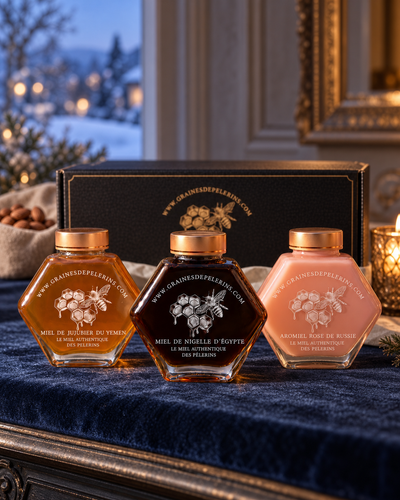
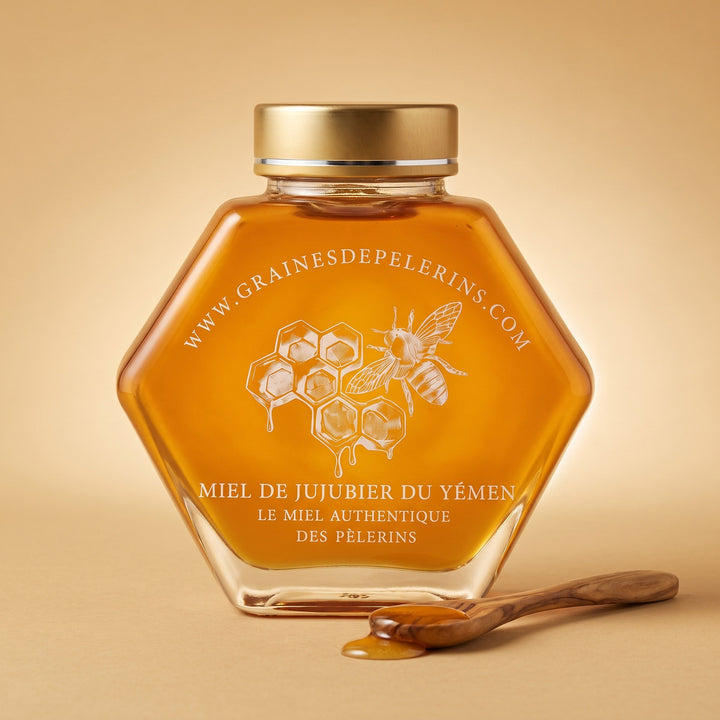
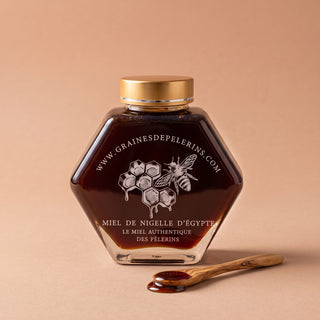
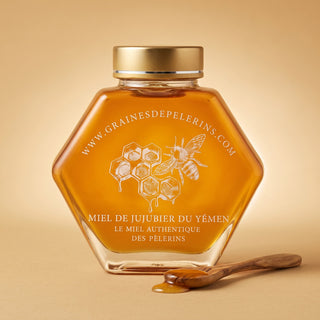
Our selection shows an amber colour and a dense texture. The tasting sheet of the House speaks of dark caramel, woody warmth and a lingering finish. These are markers for comparing sensations: start with a small amount on its own, look at the matter, then let the flavour develop. Repeat the same test on a mouthful of toasted bread: you will be able to compare what comes forward in the pairing and what remains at the finish.
An origin to read. A matter to observe. A flavour to let last.
The tasting marker of the HouseRarity: the useful markers before you buy
The word "rare" is not enough to compare two jars. Before buying, check the provenance stated, the format offered, the flavour profile and the documents available. A high price does not replace that information. For our selection, our approach to lab analysis and traceability and the product page let you consult the references published. Quantities available and the price in force are checked directly on that page.
How to taste Yemeni Sidr Honey
Start with a thin spoonful, on its own, at room temperature. Take the time to feel its texture and its length before adding another flavour. For a second attempt, place a small touch on lightly toasted sourdough bread or on a piece of matured cheese. The idea is to taste the base on its own first, then with the honey: the difference becomes easier to pick up.
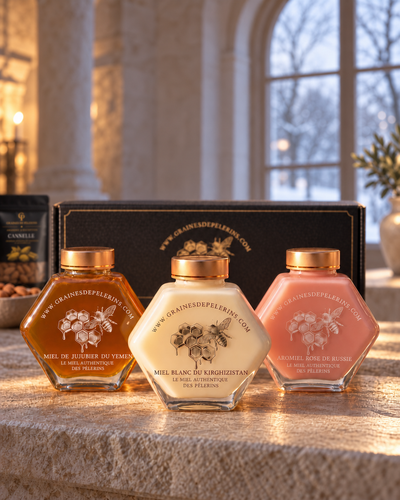
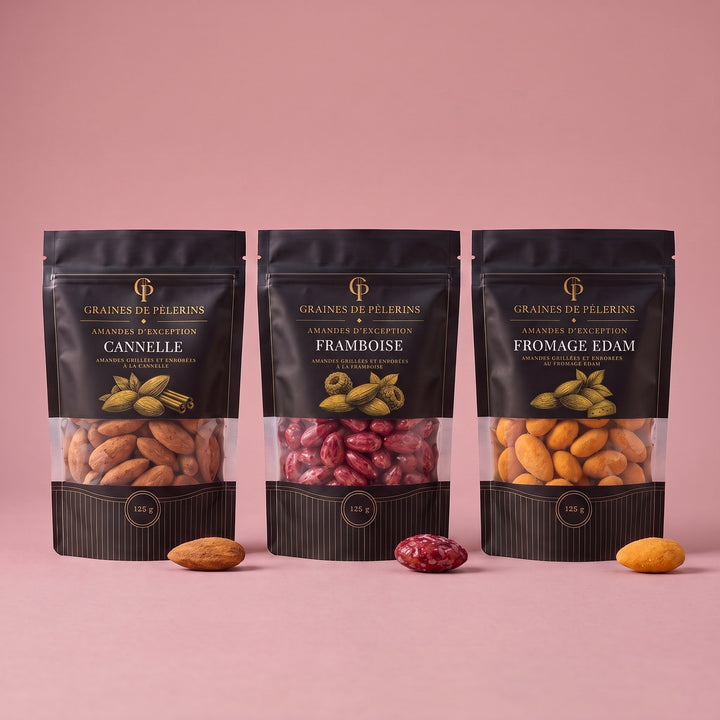
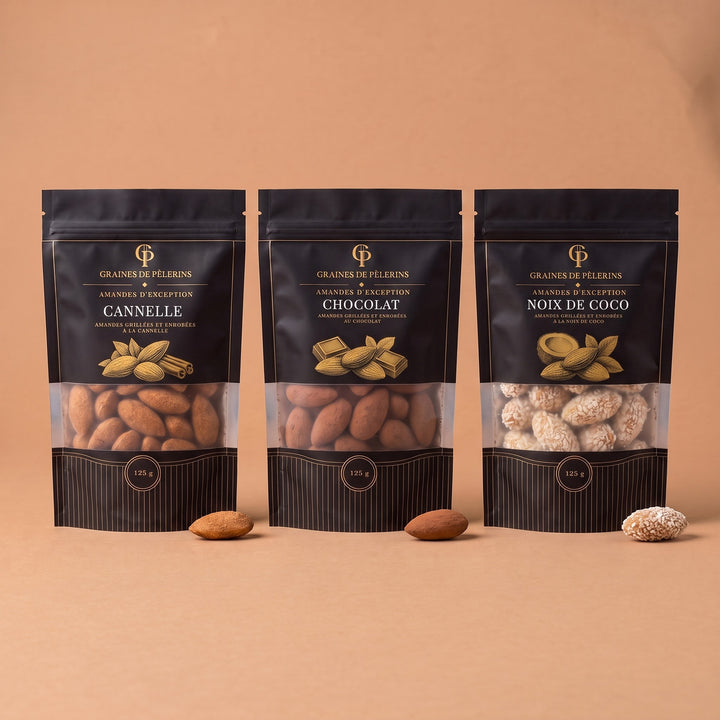
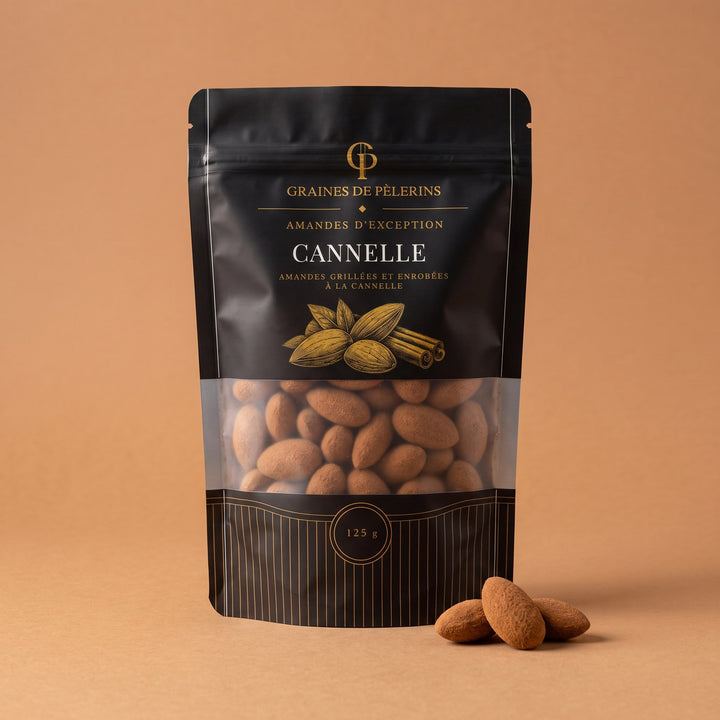
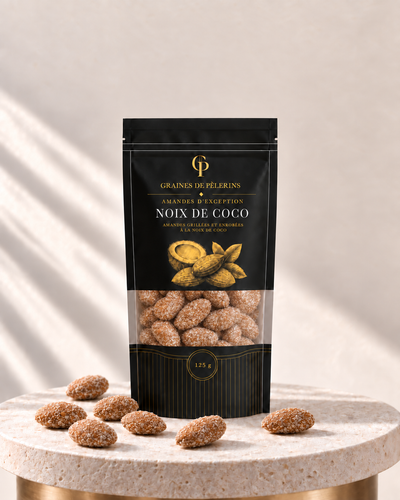
For a pairing with crunch, try the Sidr with a cinnamon almond. Serve them separately and adjust the amount of honey to your taste. These are tasting ideas, to explore as you prefer. The guide to choosing your honey also lets you compare this dense character with the other profiles in the collection.
Recognising a genuine Yemeni Sidr Honey
Start with the label and the documents available: name, country of harvest, batch identification, the seller's details and the best-before date. The DGCCRF sets out why these indications matter when choosing a honey with full knowledge of the facts.
The palynological analyses concern pollen. They provide evidence about the floral origin, to be read alongside the other tests and the laboratory's conclusions. CETAM report M253022, published on our product page, proposes the name "Jujube (Yemen)" for the sample tested. Its conclusions concern the sample identified and the criteria examined. Check that they match the information for the batch on offer.
Colour, thickness or crystallisation alone therefore cannot establish authenticity. To go further into these markers, see our guide to honey authenticity, then the documents for the product you are interested in.
Yemen · Hadhramaut
Yemeni Sidr Honey
Discover Yemeni Sidr HoneyStorage
Close the jar carefully after use and take the honey with a clean, dry spoon. Keep it dry, away from light and strong heat, following the indications on its packaging. Crystallisation is a natural phenomenon in honey: a firmer texture may appear over time. Agroscope explains storage conditions and crystallisation. You can also enjoy the honey with a firmer texture, without trying to make it liquid again.
Read on
- Yemeni Sidr Honey vs Manuka: the full comparison
- Jujube honey vs acacia honey
- The 7 rarest honeys in the world
- Understanding the price differences between honeys
Sources and documents you can consult
- CETAM Lorraine, report M253022 of 31 December 2025, 2025 harvest: full document available from the Yemeni Sidr Honey product page.
- FAO: overview of non-wood forest products in Yemen, for the place of jujube honey among Yemen's non-wood forest products.
- Kew Science, Plants of the World Online: Ziziphus spina-christi, for the botanical distribution.
- Agroscope: honey, storage and crystallisation.
- DGCCRF: honey labelling, the rules to know, for the labelling markers.
The honey in this article
Yemeni Sidr Honey
Amber colour, notes of dark caramel and a dense texture. A honey from Wadi Do'an, in Hadhramaut, to discover by the spoon and then in your favourite pairings.
Discover Yemeni Sidr Honey →In the same spirit: Yemeni Sidr Honey vs Manuka · The 7 rarest honeys
Editorial information. The content of this article is strictly informative, cultural and sensory. It describes the geographical origin, the botanical composition, the aroma profile and the traditional uses of rare honeys. It is not medical advice, a diagnosis, or a recommendation for treatment. Honey is a foodstuff. For any medical question, consult a qualified professional. Compliant with Regulation (EC) No 1924/2006.
Continue exploring
Pairings
The 13 desserts of Christmas in Provence: who counted to thirteen?
Mistral counted only eleven. Where does thirteen come from, what really sits on the table at Christmas in Provence, and how to set your o...
Read the article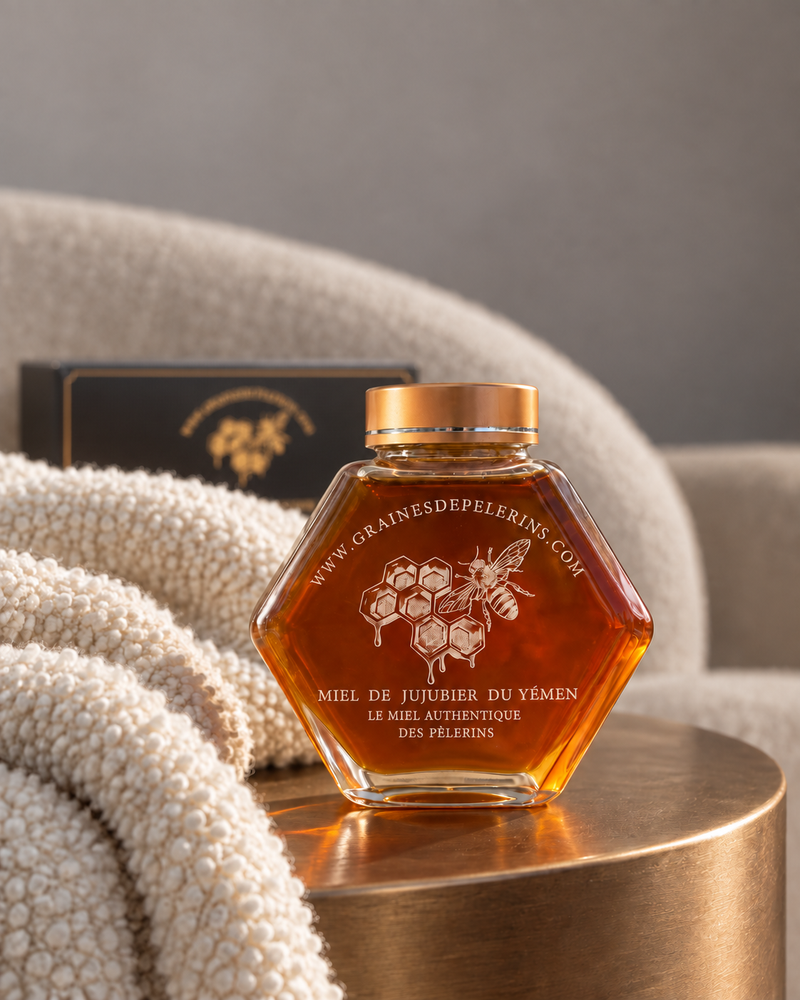
Guide
Pain d’épices: the story of French honey spice bread, and a real recipe
For centuries, pain d’épices was a loaf of honey and rye whose dough waited for weeks. From Reims to Nuremberg, its history, the part hon...
Read the article
Classements
The best honey in the world: what the rankings say, what really counts
In 2025, the world beekeeping congress gave up awarding a honey. What contests and rankings are really worth, and the five criteria that ...
Read the articleDiscover our rare honeys
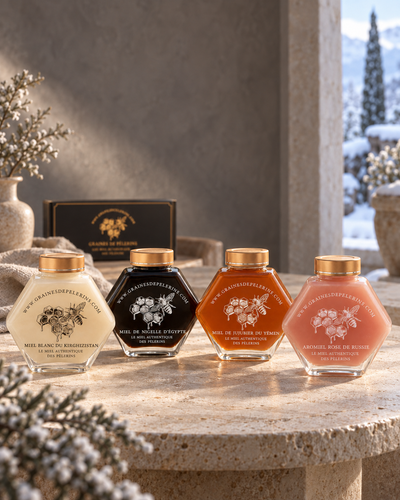
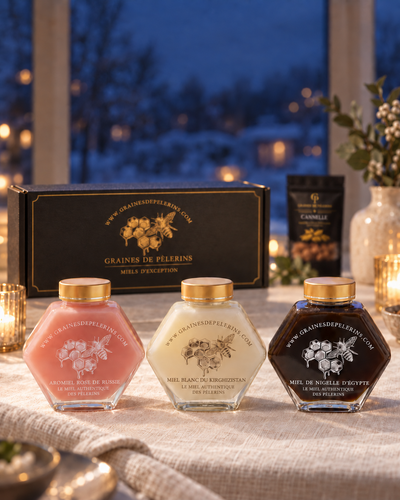
Four exceptional origins, limited harvests, gift boxes made for giving and for tasting.
See the collectionAlso worth discovering: our Almonds of Distinction