
The best honey in the world: what the rankings say, what really counts
In 2025, the world beekeeping congress gave up awarding a honey. What contests and rankings are really worth, and the five criteria that make a great honey.
In September 2025, Apimondia, the world beekeeping congress, held its 49th edition in Copenhagen without a honey contest. Its organisers removed the category from the World Beekeeping Awards, for a reason written in black and white: honeys could not be fully tested for adulteration before being awarded. So who names the “best honey in the world”? The contests, the online rankings, the price records? Each answers in its own way; none says everything. Here is what they measure, and the five criteria that can be checked on the spoon as well as on paper.
Contents
What the rankings are worth, what makes a great honey

Is there a best honey in the world?
No. No contest tastes every honey in the world: each ranking has its territory, its rule and its blind spots. A title of “best honey” is valid for one jury, one year, one category. No more.
The Concours général agricole is the best example. Created in 1870, it rewards French terroir products. Its honeys must be of the year, taken under seal from the stock on sale, from a batch of at least 100 kilos, then analysed and tasted anonymously. Demanding, but French by definition.
In Italy, the Tre Gocce d’Oro contest, “three golden drops”, has selected the best national honeys since 1981, through analysis and then panels of tasting experts. In forty-six editions it has gathered data on more than 16,000 samples. A unique memory, but an Italian one.
In the United States, in Asheville, the Black Jar Honey Contest chose the opposite: taste alone. Finalist honeys are covered with black fabric, so the judges see neither colour nor appearance. The palate decides.
At home in Britain, the National Honey Show fills Sandown Park, in Esher, every October: it celebrated its centenary in 2023, and 2025 set a record with 2,658 entries from 356 entrants.
Then there are the online rankings. TasteAtlas’s, often quoted, rests on the ratings of its audience, filtered to remove automated or partisan votes. It measures popularity, not analysis.
| The ranking | What it judges | What it does not say |
|---|---|---|
| Concours général agricole (France) | French honeys of the year, analysed then tasted anonymously | Honeys from elsewhere |
| Tre Gocce d’Oro (Italy) | Italian honeys, analyses and tasting panels | Honeys from elsewhere |
| Black Jar (United States) | Taste alone, colour hidden | Origin, flower, composition |
| National Honey Show (United Kingdom) | Beekeepers’ entries, class by class | Honeys not entered |
| TasteAtlas (online) | Public ratings | What a laboratory measures |
If juries judge different things, rely on what a jar can prove.
The five criteria of a great honey
A named origin, a documented flower, a honey neither heated nor tired, a published analysis, a clean taste. Five markers that can be checked. A superlative cannot.
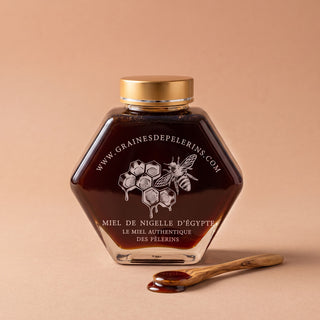
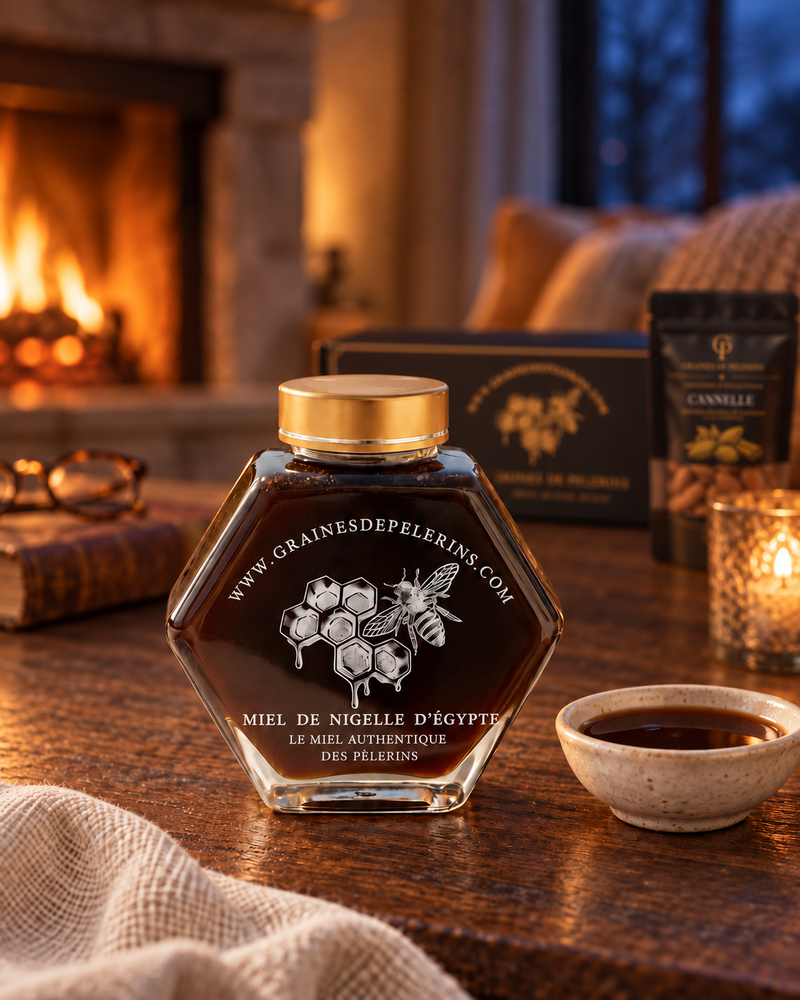
A named origin. A country is not enough: you need a valley, a mountain, a season. The high valleys of the Tian Shan for sainfoin, Wadi Do’an for jujubier, the Nile Delta for black seed.
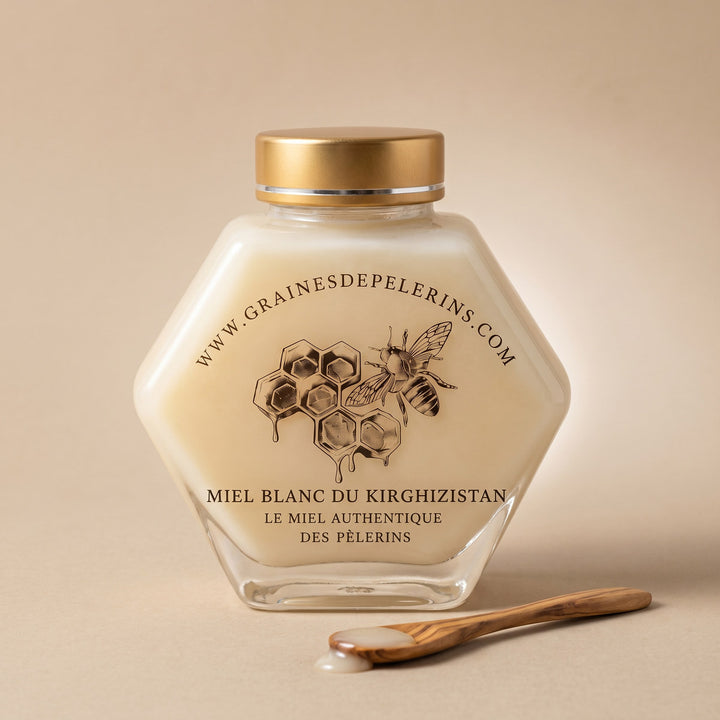
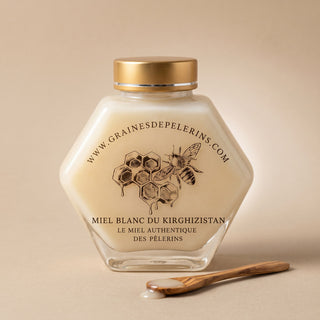
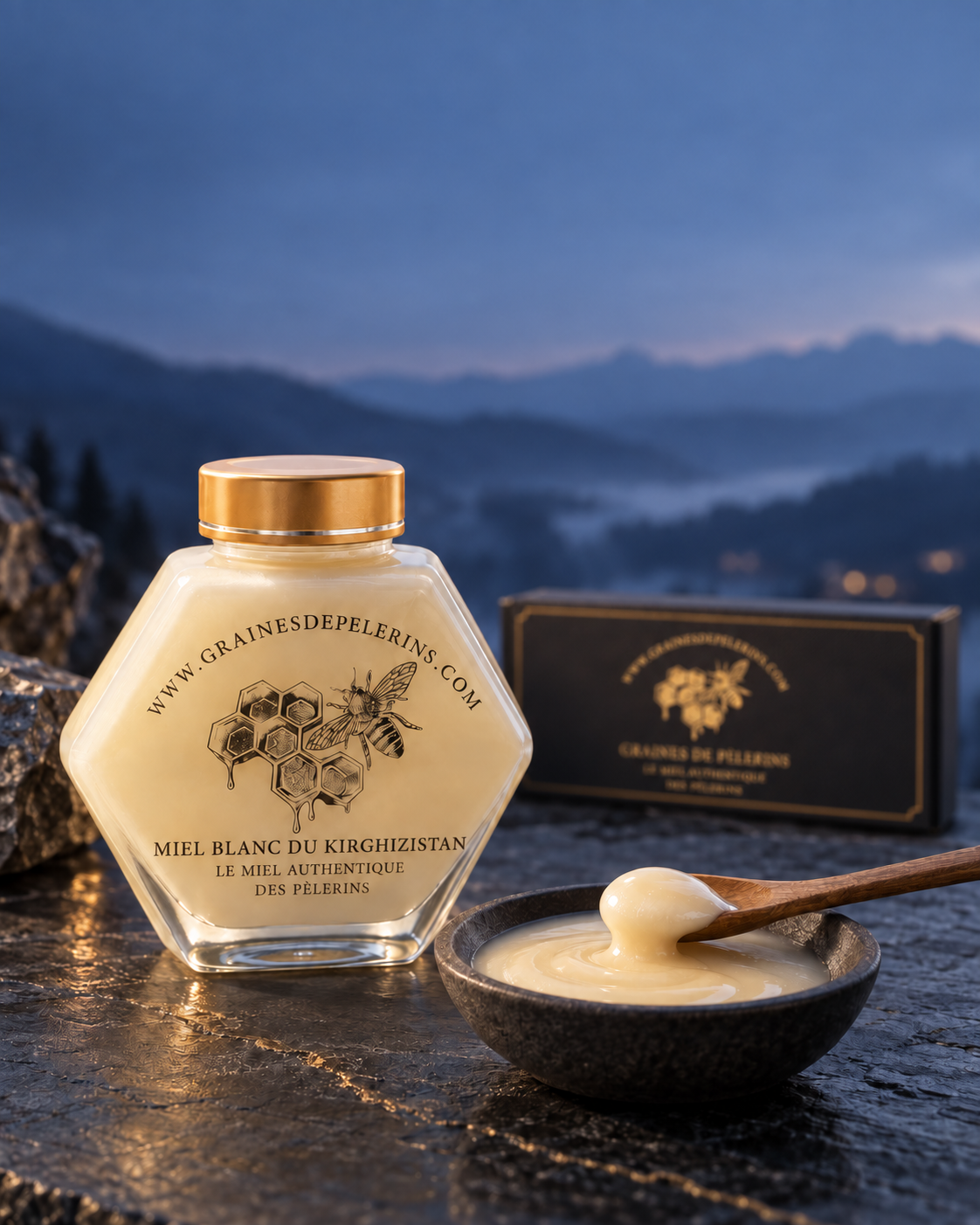
A documented flower. Pollen analysis tells it. In our White Honey from Kyrgyzstan, the CETAM laboratory counted 90% sainfoin pollen (report M251998). But there is no single threshold, and that is the surprise of this science. A review of unifloral honeys in Apidologie records more than 90% chestnut pollen in a chestnut honey, yet sometimes only 2 to 10% lavender pollen in a lavender honey. A report therefore crosses pollen, physico-chemistry and tasting.
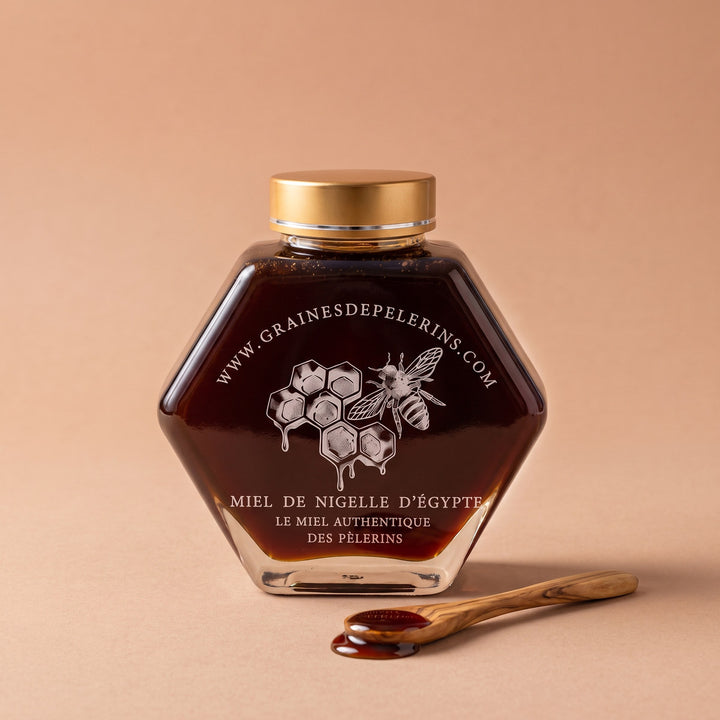
A honey neither heated nor tired. The international Codex Alimentarius standard caps water at 20% and recommends HMF under 40 mg/kg, the limit English law sets too. HMF is a witness: it climbs when a honey ages for long or has been overheated. The Concours général agricole tightens it to 15 mg/kg. Our White Honey’s report shows 2.7 mg/kg; our Egyptian Black Seed Honey’s, 4.6 mg/kg.
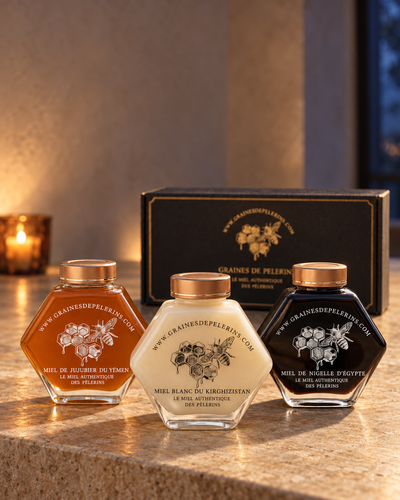
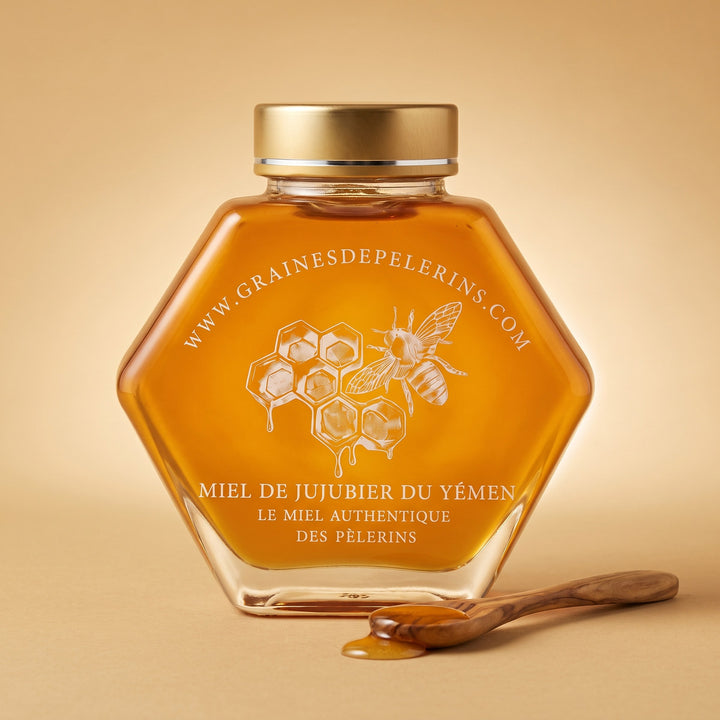
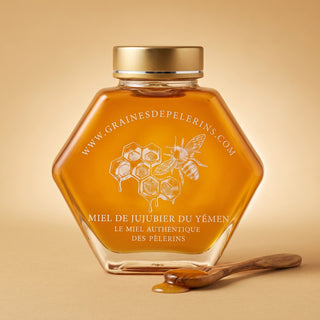
A published analysis. An analysis kept in a drawer proves nothing to the buyer. Our three reports can be read in our published analyses, the two CETAM ones reproduced in full. The Jujubier Honey from Yemen shows 14.2% water, where the general rule tolerates 20%.
A clean taste. The last criterion is judged in the mouth: a clear attack, a finish that lasts, no foreign note. Even the Concours général agricole tastes each honey to track down foreign aromas. The CETAM laboratory summed up our Jujubier in three words: fruity, tangy, persistent. To read a label step by step, see how to choose honey.
A superlative is proclaimed. An origin, a flower, an analysis can be verified.
The House’s principle
The names always cited, and what makes them verifiable
Manuka, jujubier, sainfoin, black seed, European terroir honeys: these names come up in almost every ranking. What sets them apart is not a rank but how their identity is proved.
Our article on the rarest honeys in the world dealt with rarity. Here, one question counts: what can be verified?
The most tightly framed case is New Zealand’s. Since December 2017, the Ministry for Primary Industries has defined export manuka by five attributes: four chemical compounds from the nectar and one DNA marker from manuka pollen. A honey is thus authenticated down to the DNA of its flower. That framework says what the honey is, not that it is better.
In Europe, some terroir honeys have made their origin a protected designation: Vosges fir honey and Corsican honey, Mele di Corsica, are PDOs, with a category of their own at the Concours général agricole.
| The name | What can be verified | The document |
|---|---|---|
| Manuka (New Zealand) | Four compounds from the nectar, one DNA marker from the pollen | Official definition by the New Zealand ministry |
| Jujubier (Yemen) | Name “Jujubier (Yémen)” proposed by the laboratory | CETAM report M253022 |
| Sainfoin (Kyrgyzstan) | 90% sainfoin pollen | CETAM report M251998 |
| Black seed (Egypt) | Black seed pollen identified, HMF at 4.6 mg/kg | Michel Bocquet analysis no. 10961 |
| Vosges fir, Corsica | A protected area of origin | PDO status |
Which leaves the awkward question: must a great honey cost a lot?
Great honey or expensive honey?
A price tells the rarity and the cost of a harvest, not the quality of a taste. The world record is the clearest proof.
On 16 February 2021, Guinness World Records certified the world’s most expensive honey: Centauri, harvested in Turkey in a cave at 2,500 metres altitude, sold at €10,000 a kilo (£8,700, as Guinness gives it). A referee verified it by video call. Guinness describes it as dark and bitter: the record rewards a price, not a tasting.
We have detailed what makes the price of a rare honey vary.
Adulteration is what a contest must rule out first, and what Apimondia could not exclude in time in 2025. Before paying for a prestigious name, learn to recognise a genuine honey.
Judging for yourself: the three-spoon tasting
Three jars, three clean spoons, from the gentlest to the most intense, and if possible blind. It is the spirit of the Black Jar, at home.
Ask someone to serve three spoonfuls without saying which. Taste at room temperature, mouth closed, and let the finish come. Water between spoons.
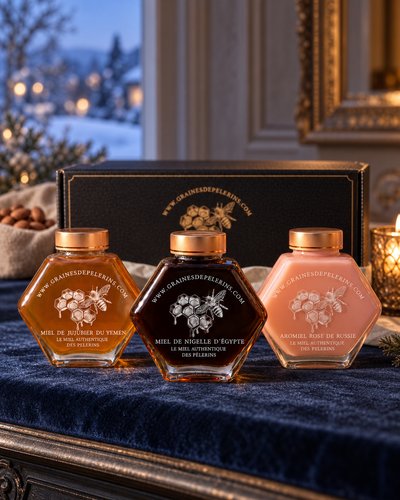
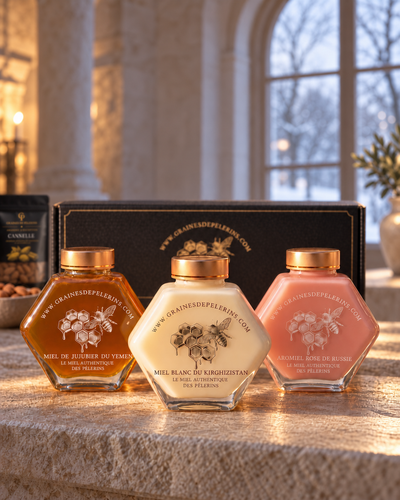
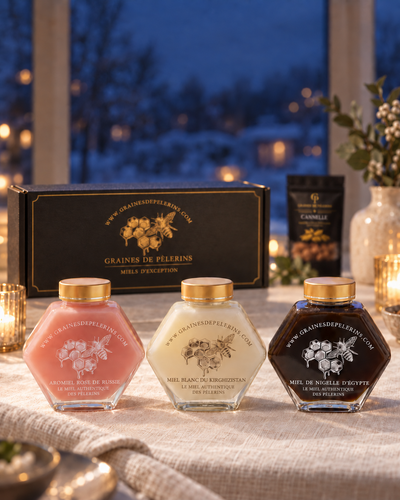
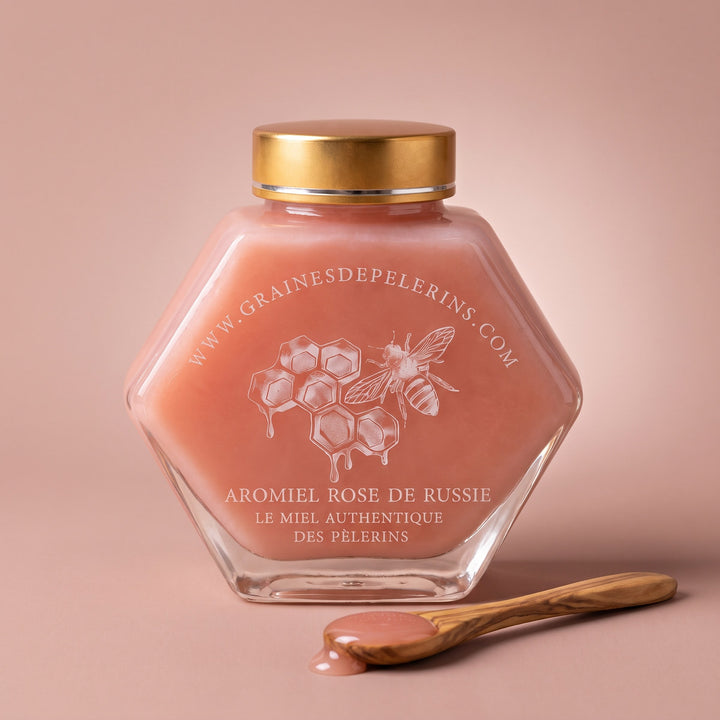
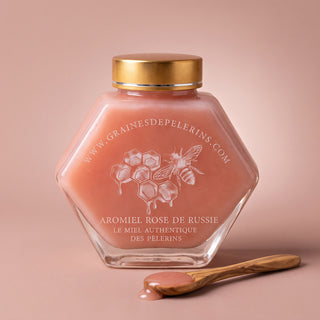
The Discovery Box is designed for this exercise. White Honey first, which melts like a cream. Then the Rose Aromiel from Russia, a preparation of acacia honey and rosehip extract, the fruit of the dog rose: a tender fruitiness that accompanies without covering. The Black Seed last, dense and mahogany, with a peppery finish.
Note what stays in your mouth a minute later. Your best honey in the world is there: the one you would recognise blindfold. To go further, try the honey and cheese pairings. To give it, the black and gold box makes a gourmet gift with a story to tell.


Gift box · Three jars, three textures
The Discovery Box
Discover the gift boxFrequently asked questions
What is the best honey in the world?
No contest compares every honey in the world: each ranking judges a territory, a year or a single criterion. The best honey is the one whose origin, flower and analysis can be verified, and whose taste stays with you.
Is manuka the best honey in the world?
Manuka is the honey whose identity is the most tightly framed: since December 2017, New Zealand defines export manuka by five attributes, four compounds from the nectar and one DNA marker from the pollen. That says what the honey is, not that it is better than another.
What is a medal on a jar of honey worth?
It is worth one contest, one category and one year. At the Concours général agricole, for example, only French honeys of the year compete, taken under seal, analysed and then tasted anonymously.
How can I recognise a high-quality honey?
Read the precise origin and flower, then look for a published analysis: water content, HMF, pollens. Then taste it at room temperature: a great honey has a clear attack, no foreign note and a finish that lasts.
Sources
- Apimondia 2025, World Beekeeping Awards: honey category withdrawn.
- Concours général agricole, 2026 rules (in French): honey contests.
- Osservatorio Nazionale Miele, Tre Gocce d’Oro 2026 (in Italian).
- Center for Honeybee Research, Black Jar Honey Contest: taste-only rule.
- The National Honey Show: entries and centenary.
- TasteAtlas, honey ranking.
- Codex Alimentarius, Standard for Honey (CXS 12-1981): water and HMF.
- The Honey (England) Regulations 2015, Schedule 1: HMF limit.
- ITSAP Institut de l’abeille: honey, a product framed by law (in French): HMF.
- Piazza and Persano Oddo, Bibliographical review of the main European unifloral honeys, Apidologie, 2004: specific pollen.
- New Zealand Ministry for Primary Industries: manuka testing
- Guinness World Records, 2021: the world’s most expensive honey
- CETAM Lorraine, reports M251998 and M253022; Michel Bocquet laboratory, analysis no. 10961: published on the product pages and the lab analysis page.
The box in this article
The Discovery Box
Three jars, three textures, from the gentlest to the most intense: find, spoon after spoon, your best honey in the world.
Discover The Discovery Box →In the same spirit: How to store honey · What people call rose honey
Editorial information. The content of this article is strictly informative, cultural and sensory. It describes the geographical origin, the botanical composition, the aroma profile and the traditional uses of rare honeys. It is not medical advice, a diagnosis, or a recommendation for treatment. Honey is a foodstuff. For any medical question, consult a qualified professional. Compliant with Regulation (EC) No 1924/2006.
Continue exploring
Pairings
The 13 desserts of Christmas in Provence: who counted to thirteen?
Mistral counted only eleven. Where does thirteen come from, what really sits on the table at Christmas in Provence, and how to set your o...
Read the article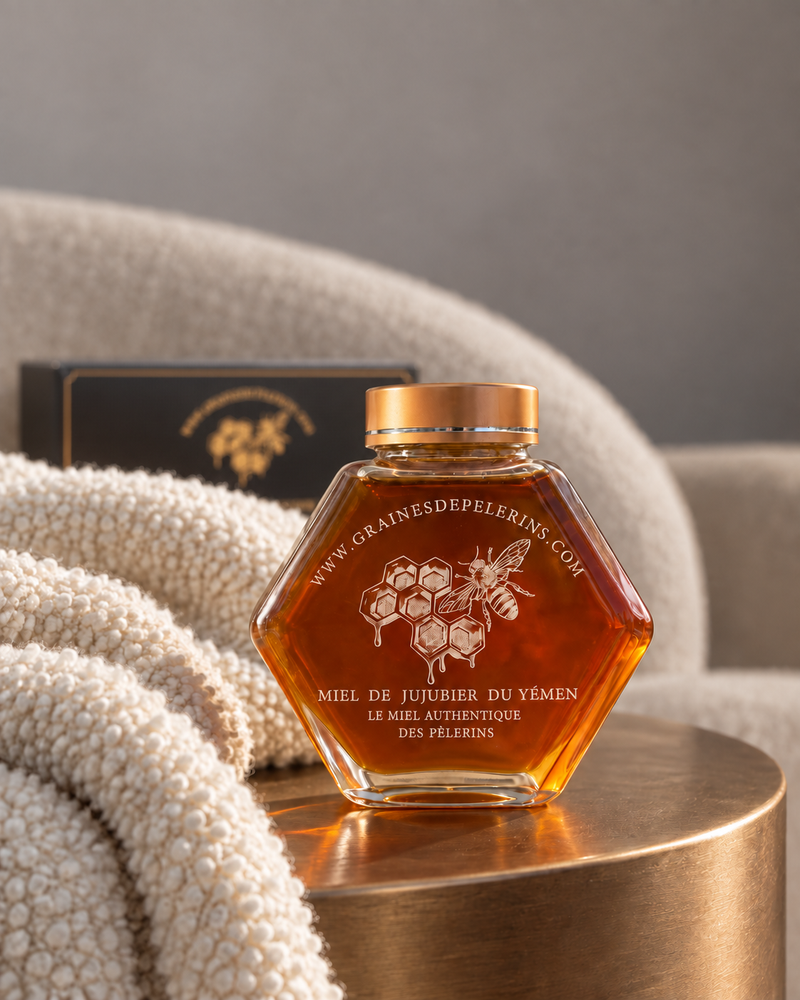
Guide
Pain d’épices: the story of French honey spice bread, and a real recipe
For centuries, pain d’épices was a loaf of honey and rye whose dough waited for weeks. From Reims to Nuremberg, its history, the part hon...
Read the article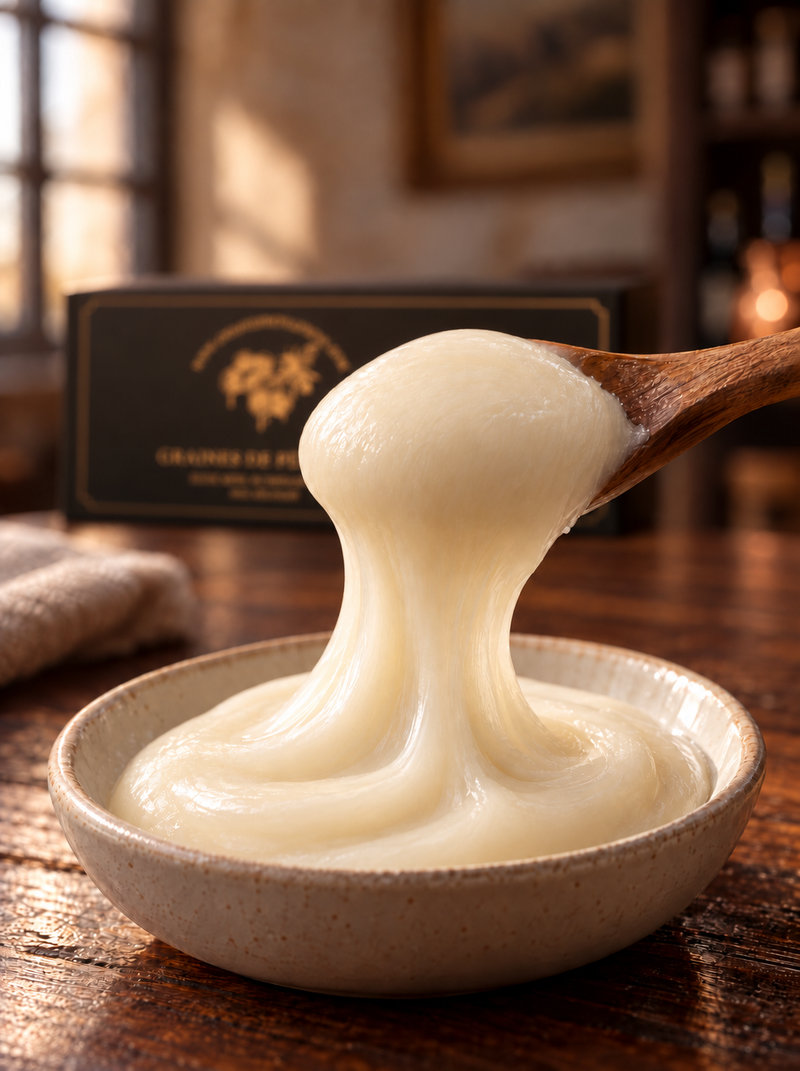
Guide
How to store honey: how long it keeps, where and how
Honey does not go off like yoghurt, but it does not cross the centuries intact either. Best before date, open jar, fridge, crystallisatio...
Read the articleDiscover our rare honeys
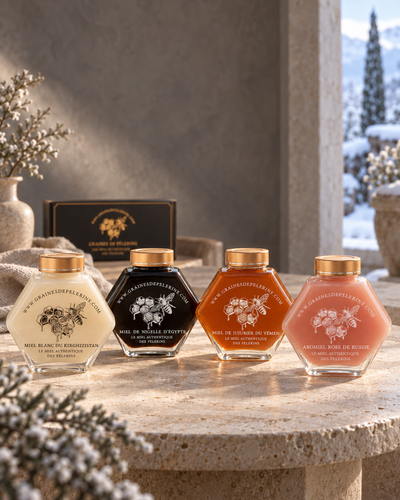
Four exceptional origins, limited harvests, gift boxes made for giving and for tasting.
See the collectionAlso worth discovering: our Almonds of Distinction